Sports Equipment Manufacturer

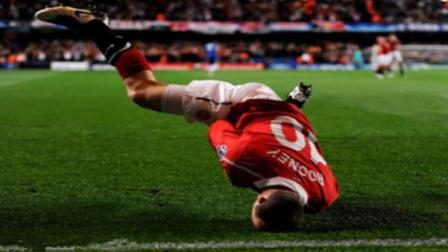
Can you knee slide on turf? Learn how to slide on a soccer pitch with practical checks, controlled steps, and safer soccer celebration alternatives when needed.
Quick answer: If you are asking whether you can knee slide on turf, the short answer is conditional. You can perform a knee-slide goal celebration on a soccer pitch only when the surface is familiar, level, free of hard or damaged spots, and comfortable under controlled movement. Artificial turf is not automatically safe or unsafe: its condition, friction, moisture, and venue rules matter. If the pitch is unknown, abrasive, wet, uneven, or already causing pain, choose a celebration that does not involve sliding.
This guide explains a knee-slide celebration, not a defensive slide tackle. It keeps the useful checks from the original article while replacing absolute safety promises with a practical decision process. The original article is available at the legacy URL.
In this article, a slide means a short knee-slide celebration after a goal. The player lowers the body, makes controlled contact with the knees or lower legs, glides briefly, then comes out of the movement without twisting or falling. It is a celebration choice, not a required part of scoring.
A slide tackle is different. A tackle is a defensive attempt to challenge for the ball; a knee slide is an off-ball celebration after the play. The two movements have different timing, purpose, and coaching requirements. If you are searching for a slide-tackle tutorial, use a defending-specific source rather than treating this celebration guide as a tackling lesson.
| Movement | Purpose | Main question in this guide |
|---|---|---|
| Knee-slide celebration | Express a goal or important moment | Is the surface suitable, and can the movement stay controlled? |
| Slide tackle | Defend and challenge for the ball | How should a defender make a legal, well-timed challenge? |
The safest celebration is the one that fits the player and the pitch. A dramatic slide is optional; celebrating without sliding is always a valid choice.
Sometimes—but do not reduce the decision to “grass good, turf bad.” The International Football Association Board (IFAB) states that a field may be wholly natural or wholly artificial where competition rules permit it. For certain representative and international matches, artificial surfaces must meet FIFA Quality Programme requirements unless a dispensation applies. That rule describes what surfaces may be used for football; it does not certify a particular knee slide as comfortable or injury-free. IFAB, Law 1
FIFA also publishes guidance on turf and pitch design. That is useful context for understanding why construction, design, and maintenance matter, but it is not a technique study for celebrations. FIFA, Turf and Pitch Design
Use this quick decision table before trying a knee slide:
| Pitch situation | Decision | Why |
|---|---|---|
| Familiar, level natural grass with no obvious hard spots | Consider a brief, controlled slide | The surface passes a basic visual and comfort check, but no guarantee is implied |
| Familiar artificial turf that feels even and non-abrasive | Consider only after a cautious warm-up and local rules check | Artificial turf is a permitted football surface in some contexts, not a universal comfort rating |
| Wet, unusually sticky, very abrasive, or unfamiliar turf | Skip the slide | You cannot confidently predict how the body will slow or how the surface will feel |
| Holes, exposed hard areas, debris, loose sections, or damaged grass | Do not slide | The surface itself creates an avoidable reason to choose another celebration |
If you are playing in a competition, follow the venue, coach, referee, and competition guidance. A field’s football compliance is not the same as a personal recommendation for a knee-slide celebration.
The old article was right to put field conditions before technique, but the check should be practical rather than dramatic. Walk the area where you expect to celebrate if you can do so without delaying play or breaking venue rules. Look for:
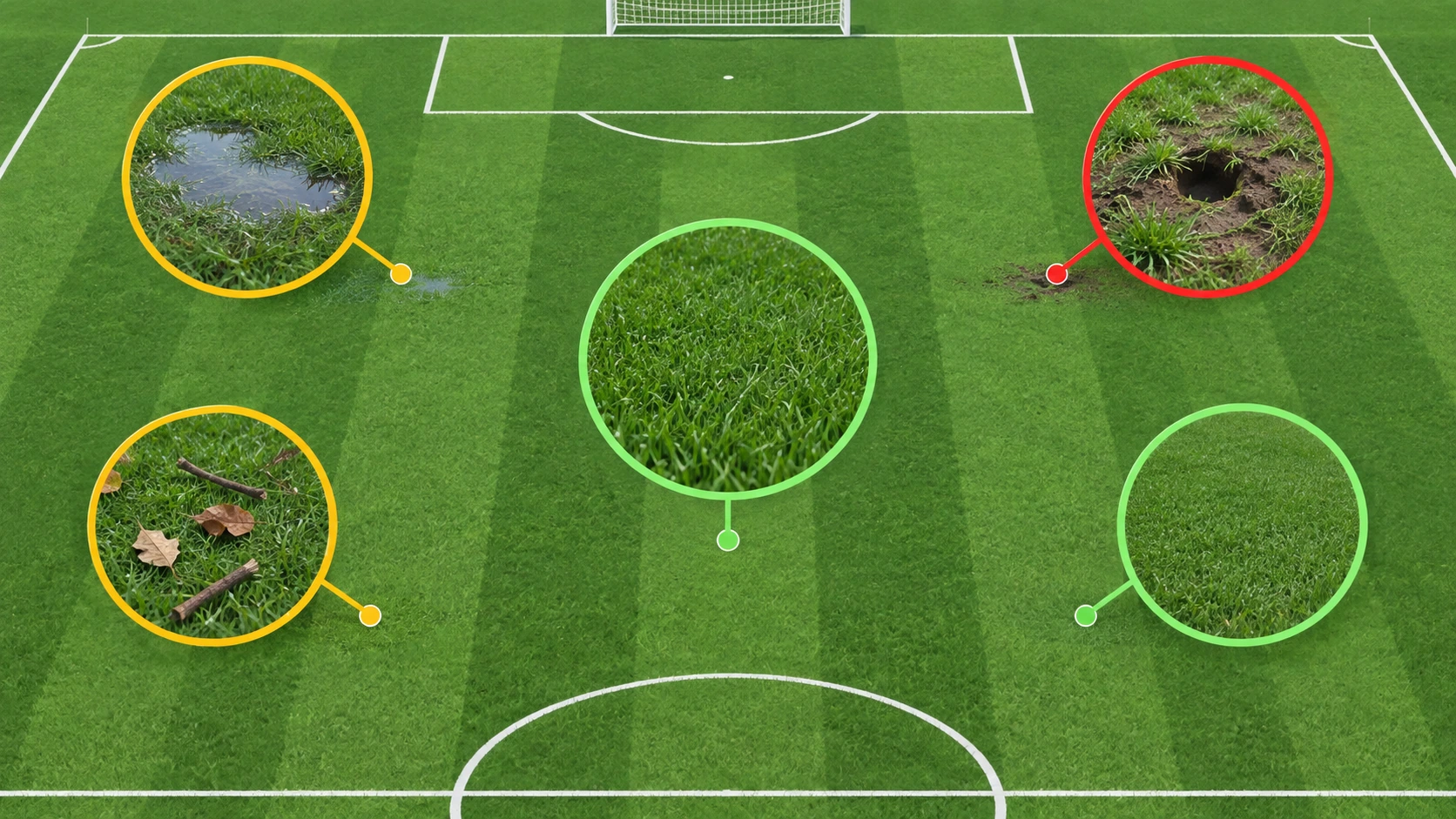
The decision is not a performance test. If any item is uncertain, use a knee-free celebration. FIFA’s pitch-design guidance can explain why surface and maintenance are relevant, while the actual choice still belongs to the player within the rules and local guidance.
The following is general movement guidance, not a guarantee and not a substitute for coaching. Practise the movement only in a suitable training setting, not for the first time in a crowded match celebration.
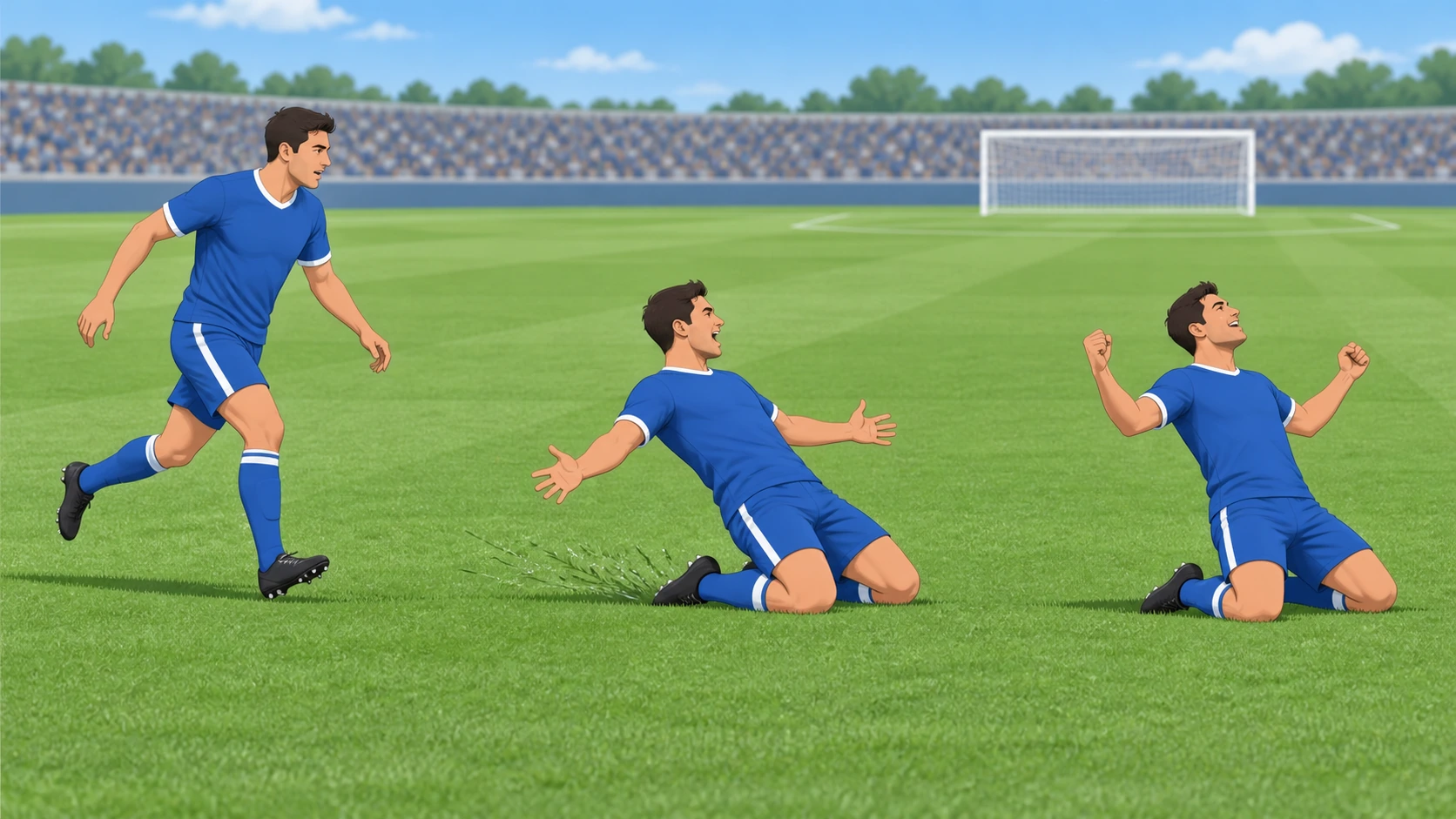
The original article’s useful idea was to control body position and supporting speed. The upgrade is the limit: posture and speed may improve control, but neither proves that the surface is suitable or that injury is impossible.
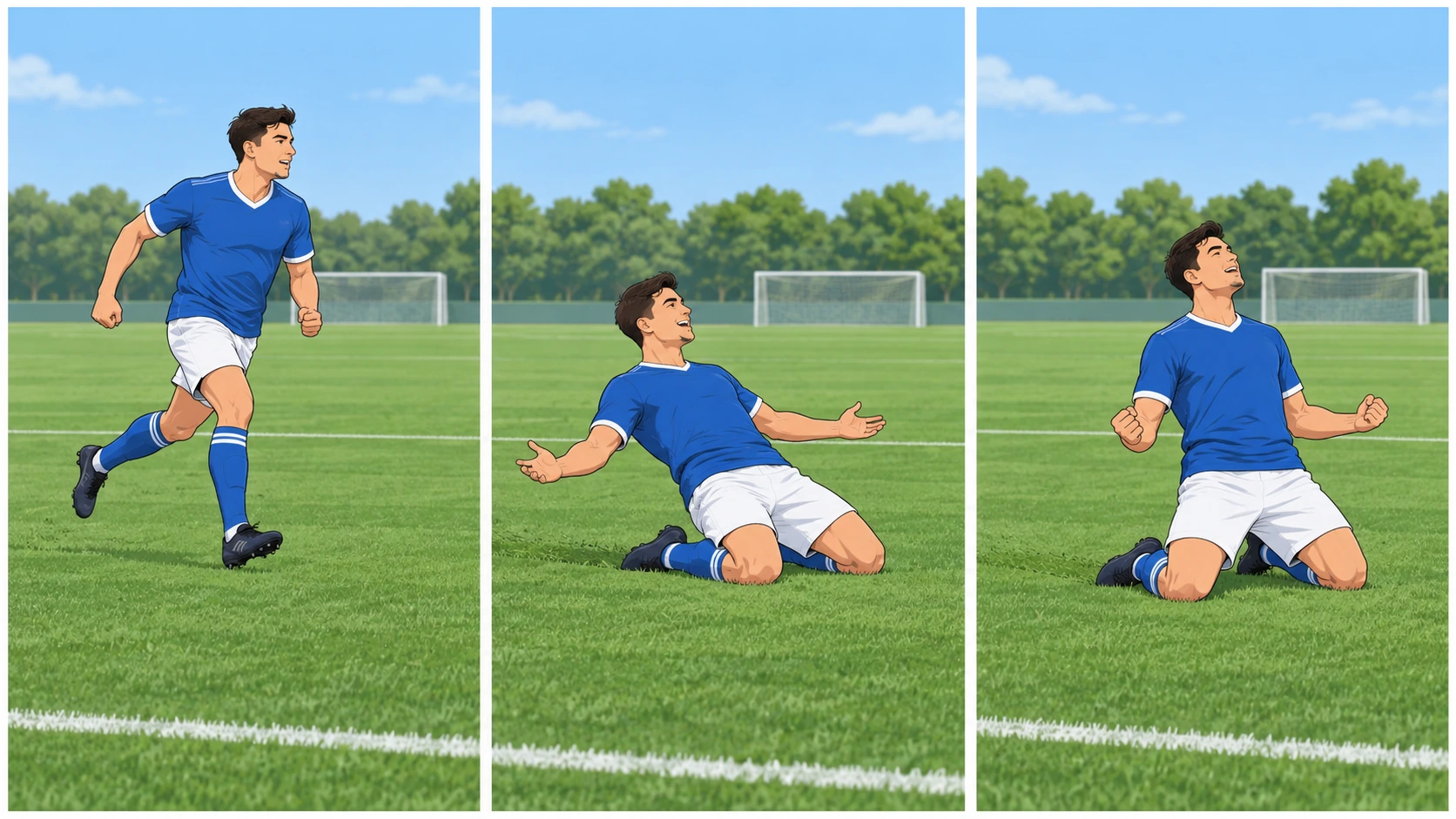
Clothing changes contact between skin and surface, but it is not a safety certificate. Long socks, suitable shorts, or protective padding may reduce direct contact for some players. They cannot flatten a damaged pitch, remove friction, or guarantee that the knees will not hurt.
The American Academy of Orthopaedic Surgeons explains that the knee is vulnerable to multiple types of injury and that treatment depends on the injury. This article therefore does not diagnose pain or promise an injury-free maneuver. AAOS, Common Knee Injuries
| Option | What it may change | What it cannot do |
|---|---|---|
| Normal playing clothing | Reduce some direct skin contact | Guarantee comfort, prevent all abrasions, or fix a poor surface |
| Knee padding or a guard | Add a layer between the knee and ground | Make every turf type suitable or replace medical advice |
| A different celebration | Removes knee contact with the surface | It cannot change the pitch, but it avoids this specific movement |
Stop immediately if you feel sharp pain, increasing pain, swelling, instability, numbness, or a hard impact. Do not keep repeating the movement to see whether the feeling goes away. For persistent symptoms or a suspected injury, seek assessment from an appropriately qualified health professional.
Use the following path after a training attempt or celebration. It is a stop-and-assess guide, not a diagnosis.
| Symptom | Possible contributing condition | Verify | Fix or next action |
|---|---|---|---|
| Burning or skin irritation | Abrasive surface, friction, or clothing | Stop and inspect the area and clothing; do not repeat to test it | End the slide and choose a non-sliding celebration |
| The knees stick or stop abruptly | Surface drag, moisture, or unfamiliar turf | Do not infer safety from one attempt; ask the venue/coach about the surface | Stop practising on that area |
| Loss of balance or a face-first fall | Too much speed, poor control, or uneven ground | Review the movement with a qualified coach only after symptoms are clear | Use a different celebration and do not practise on damaged ground |
| Pain, swelling, or instability | The article cannot identify the cause | Stop activity and seek qualified assessment if symptoms persist | Do not continue knee slides until appropriately advised |
This is where the old article’s field and posture sections are most useful: they help a player notice conditions that should end the attempt. They should not be read as a promise that correct posture eliminates risk.
Goal celebrations do not need knee contact. Try raising both arms, pointing to a teammate, turning toward the supporters, clapping, or gathering for a team huddle. These options are especially sensible when the surface is unknown, the player has previous symptoms, or the celebration area is crowded.
The reviewed community sample repeatedly asked why professionals slide, whether artificial turf burns, and how players avoid getting hurt. Those questions are useful for shaping this guide, but community posts are not proof that professionals are injury-proof or that one technique works for everyone.
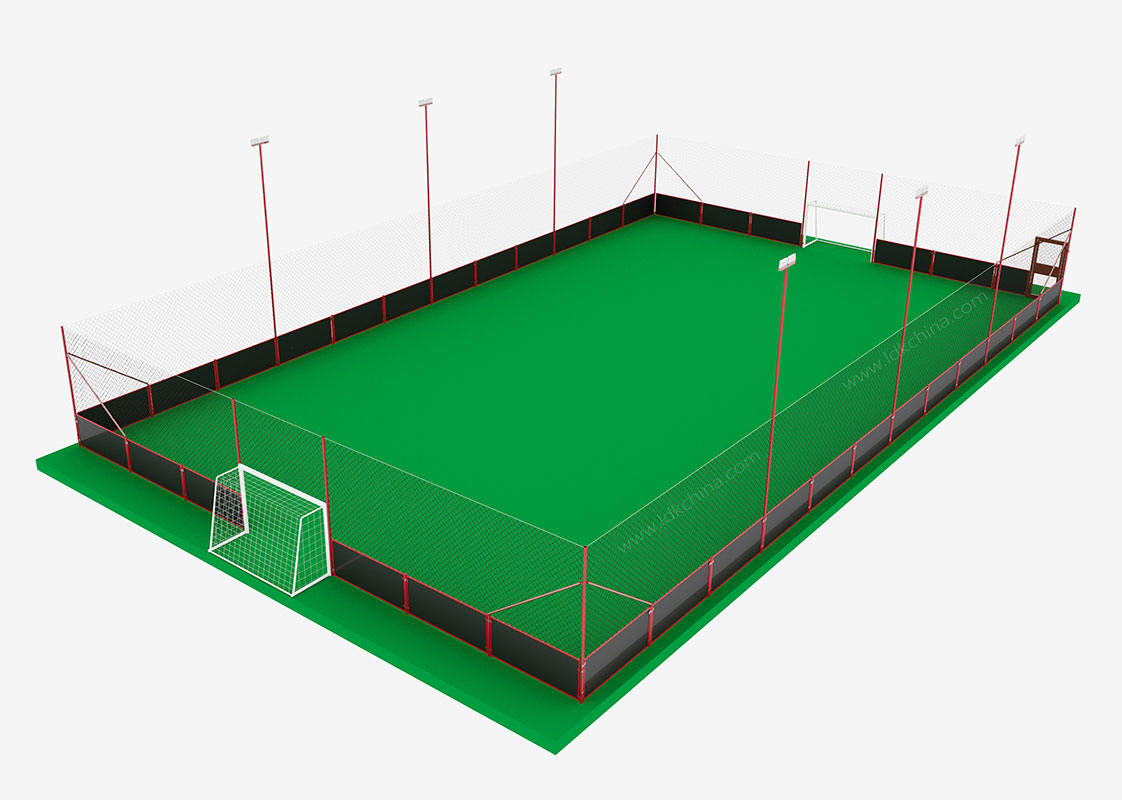
If you are planning a soccer training or small-sided area, LDK Sports Equipment can serve as a first-party equipment and inquiry reference; it does not establish certification, performance, price, availability, installation, or safety.
Sometimes, if the surface is suitable, familiar, and permitted for the setting; artificial turf is not automatically a yes or no. Use the checklist in “Can you knee slide on turf?” and skip the movement when the surface is abrasive, wet, damaged, or unknown.
It is a visible goal-celebration choice, not a required soccer skill. Professional examples do not prove that every player, pitch, shoe, or body will respond the same way.
Stop, inspect the skin and surface, and switch celebrations; do not repeat the slide to test whether the burning continues.
There is no injury-free guarantee: players may use controlled movement and suitable conditions, but pain, instability, or a suspected injury requires stopping and appropriate professional assessment.
Sensation and risk can vary with the player, clothing, speed, and surface, so a professional example cannot predict your experience.
A brace is not a universal recommendation for this celebration and cannot make an unsuitable surface safe; use qualified medical or coaching advice for an existing knee problem.
A knee slide on turf can be considered only as a controlled, optional celebration on a suitable and familiar surface. Check the pitch first, keep the approach and finish controlled, avoid chasing distance, and stop when the ground or your body gives you a reason to stop. When in doubt, celebrate without sliding.