Sports Equipment Manufacturer

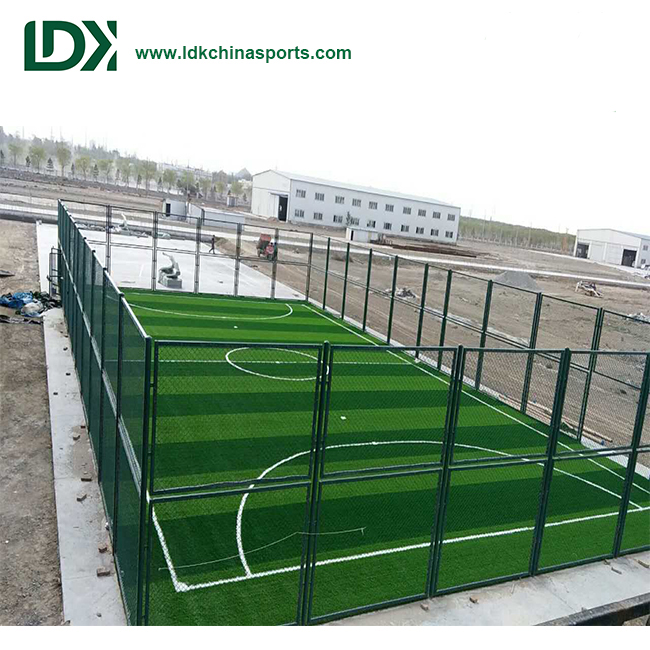
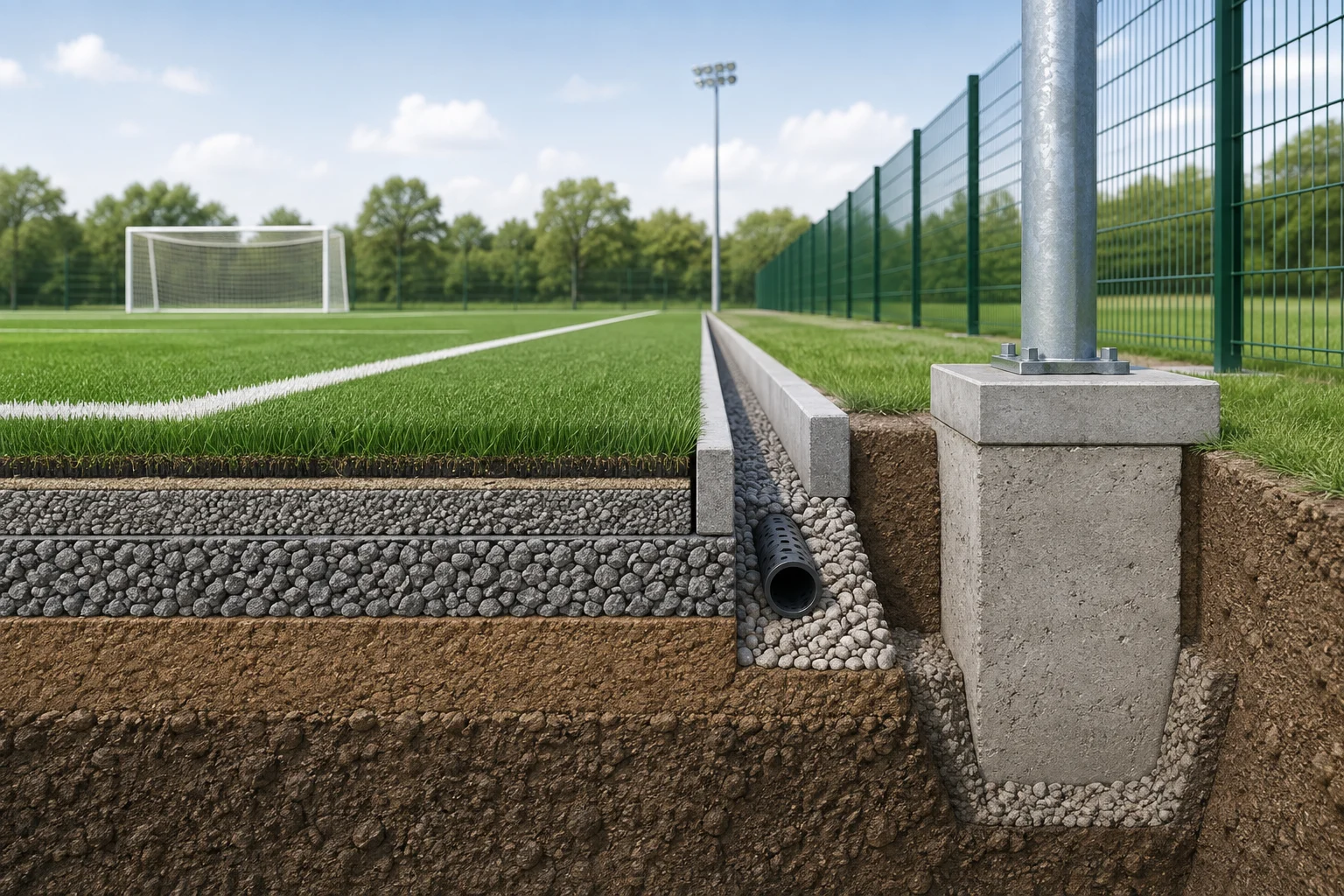
Football field construction cost~Foundation part: including drainage ditch, gravel layer, concrete surface layer, etc., which is used to ensure that the pitch is firm, level and water-tight.
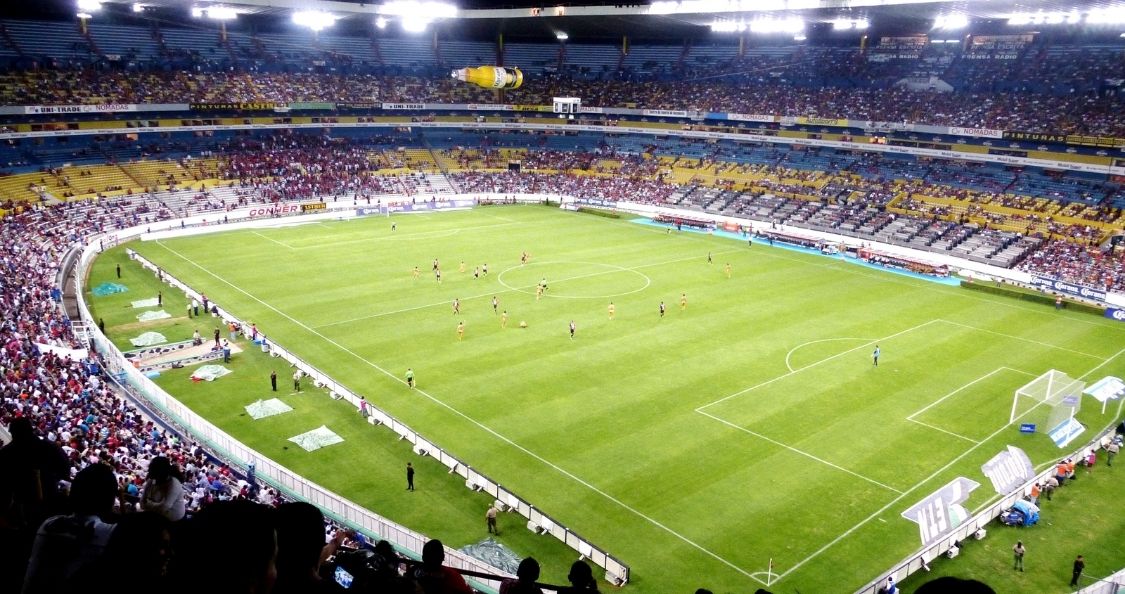
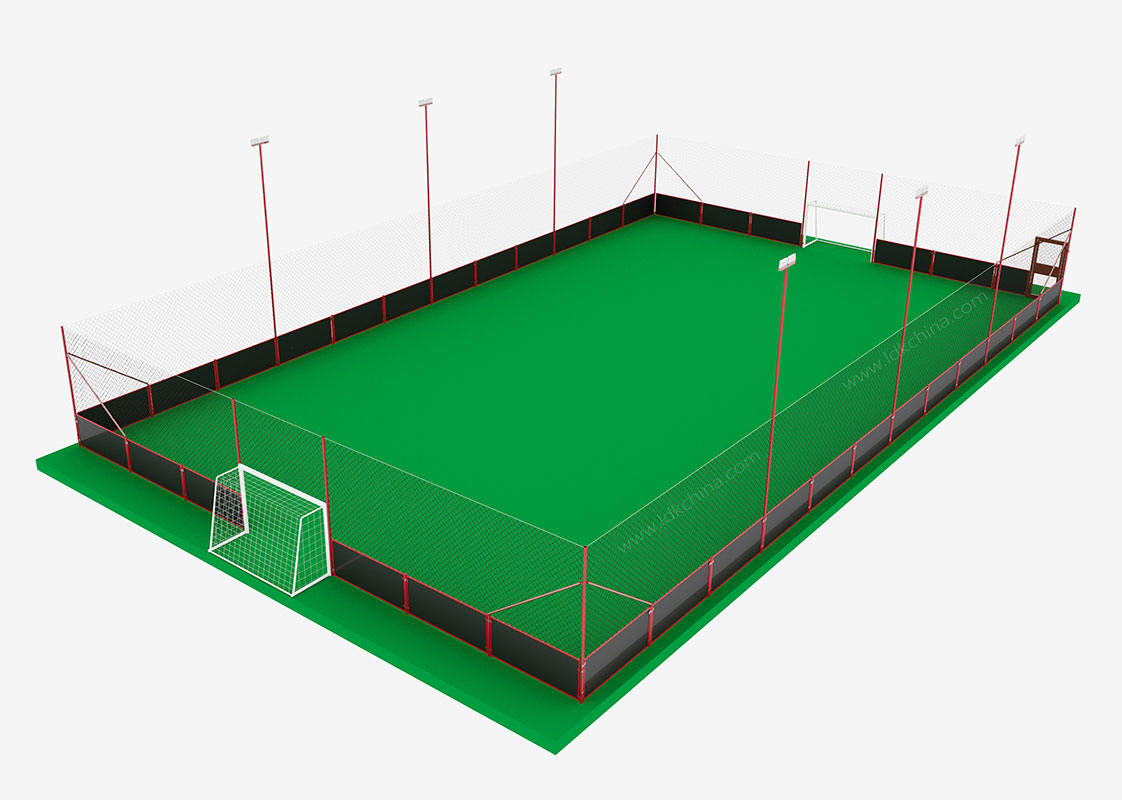
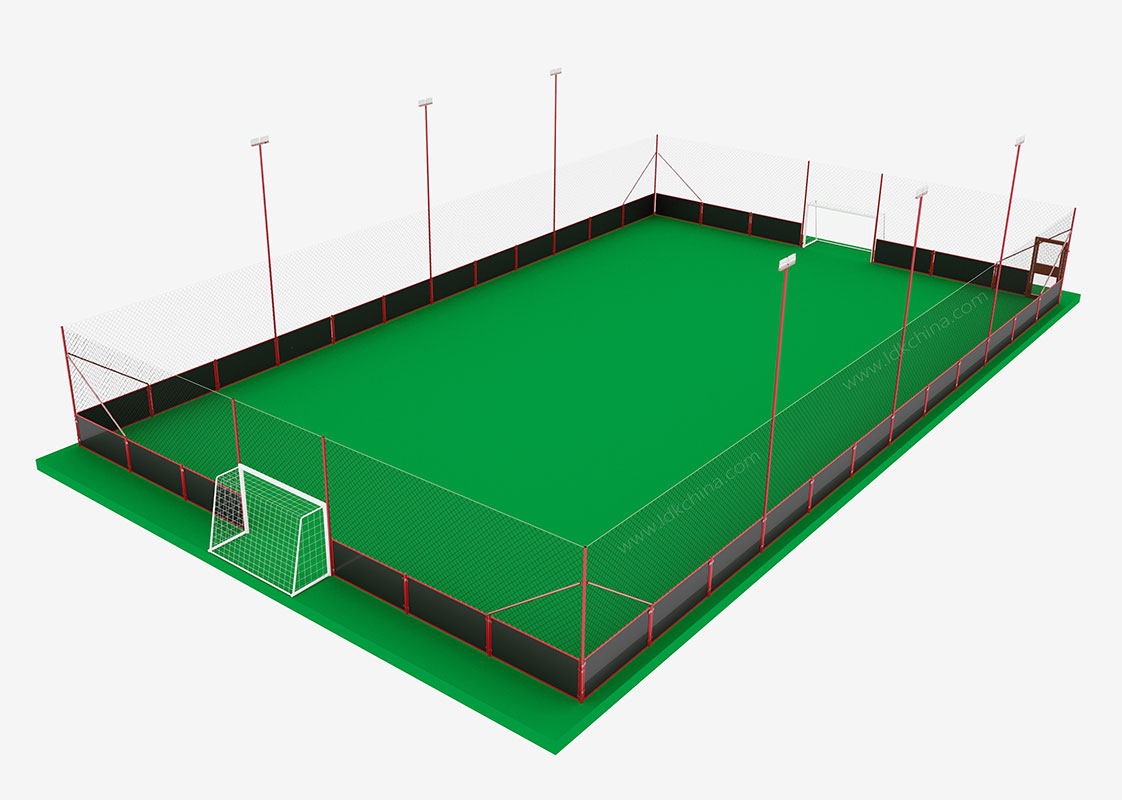
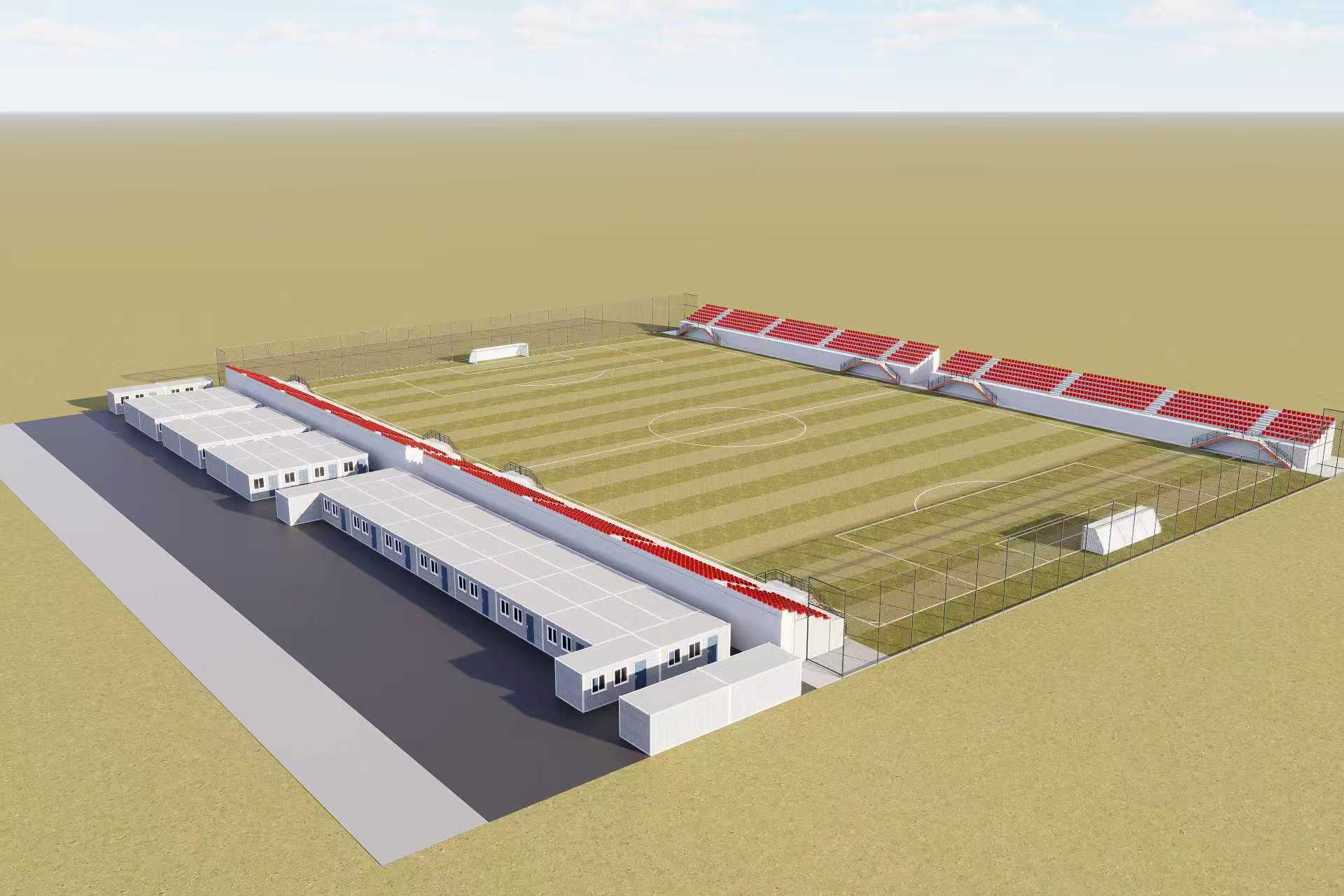
A football field does not have one standard construction price. Start with a clear project definition: field format, playing surface, site conditions, drainage, access, lighting, fencing, goals, and the level of competition the venue must support. A full-size natural-grass field, an 11-a-side artificial-turf field, and a caged small-sided pitch can all be called a football field while requiring very different budgets.
The main cost categories are foundation, turf, drainage, lighting, equipment, labour, shipping, and maintenance. A reliable tender should be based on a site survey and measured bill of quantities, not a generic per-square-metre promise.
The largest cost drivers are usually:
The International Football Association Board (IFAB) states that a field must be rectangular, and that the surface may be natural, artificial where competition rules permit, or a permitted hybrid system. It also states that artificial surfaces must be green and may need to meet the FIFA Quality Programme for Football Turf in specified international competitions. Read the current IFAB Law 1: The Field of Play before fixing the specification.
IFAB’s Laws give a general range of 90–120 m for the touchline and 45–90 m for the goal line. For international matches, the ranges are narrower: 100–110 m by 64–75 m. These are playing-field dimensions, not automatically the complete construction footprint. A design still needs space outside the lines for safety, circulation, team areas, maintenance access and perimeter protection.
For a community or training project, record the intended format in the brief:
| Project type | What to define before pricing |
|---|---|
| 11-a-side field | Playing dimensions, run-off, goals, fencing, lighting, changing and spectator needs |
| 7-a-side or training field | Number of users, flexible markings, goal storage, netting and peak operating hours |
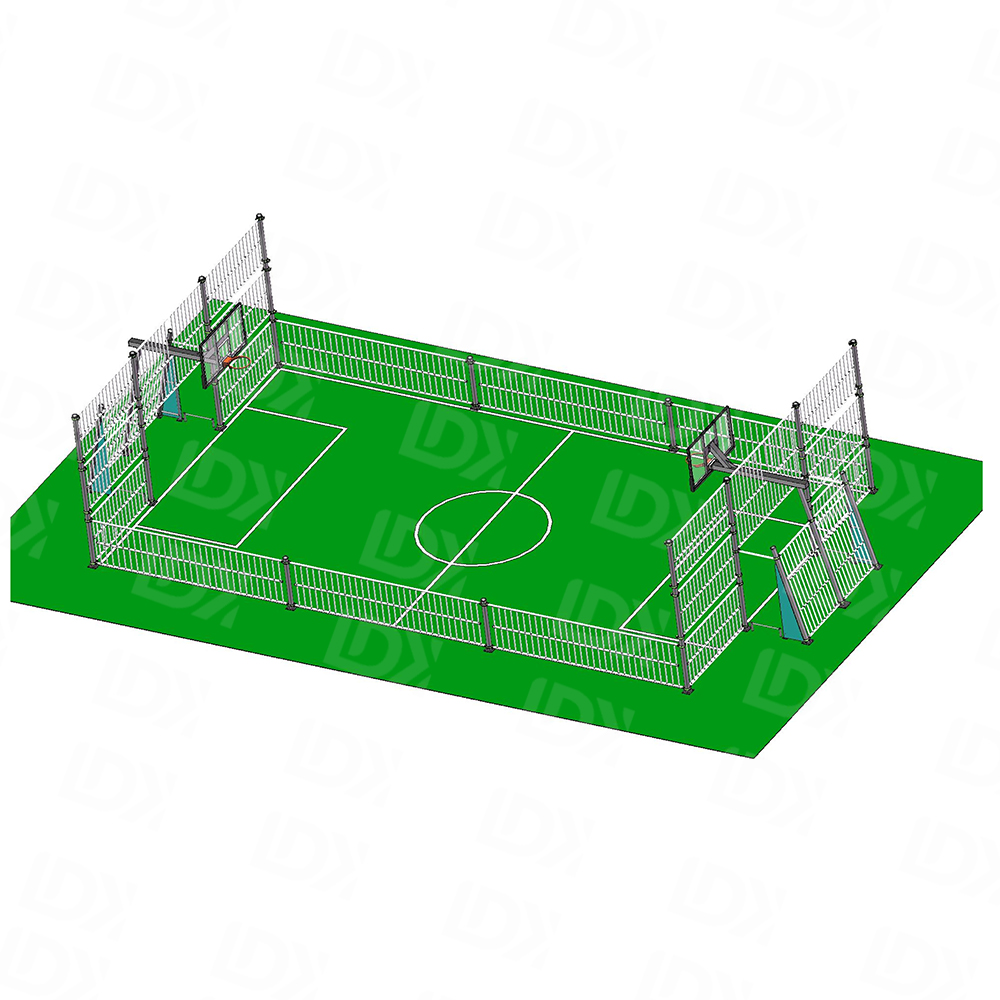
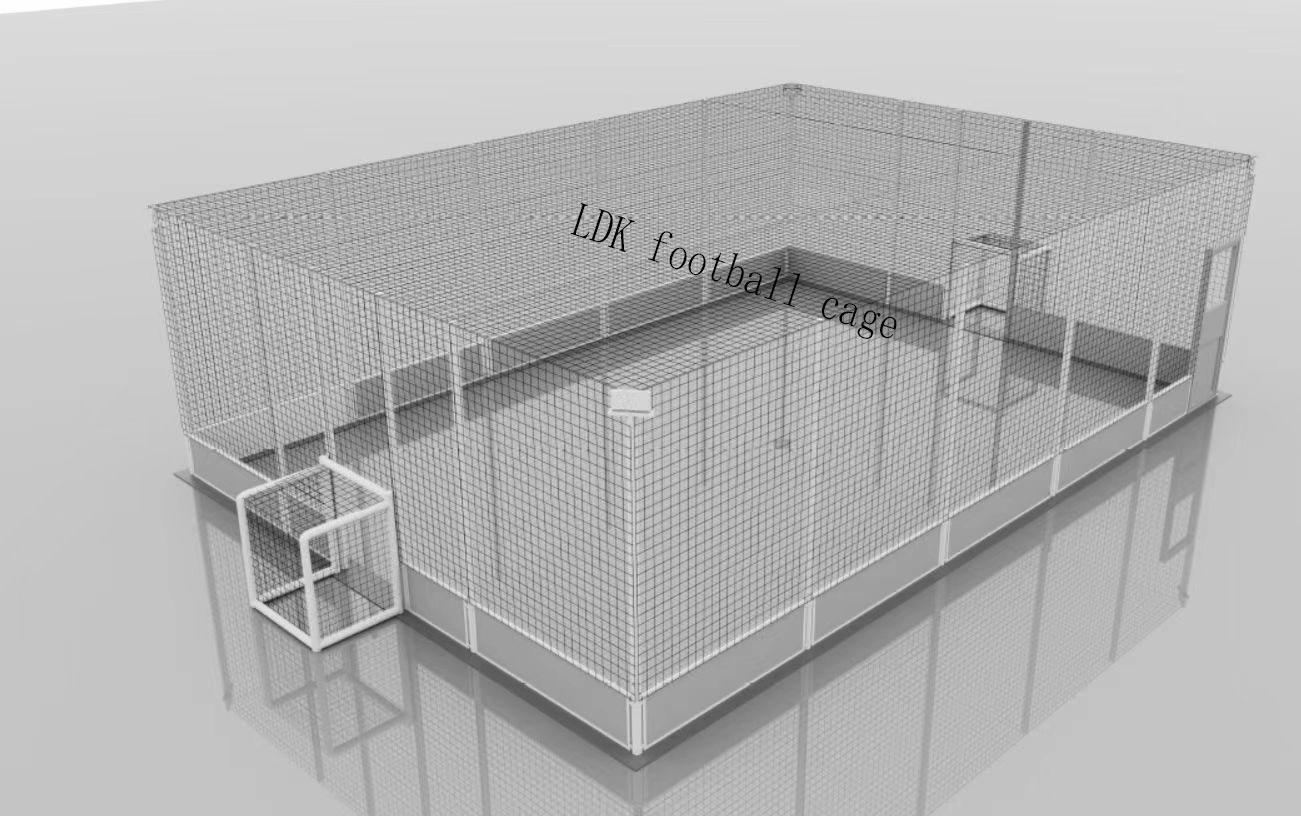
| 5-a-side or caged pitch | Cage height, rebound panels, gates, small goals, floodlights and booking capacity |
| Natural-grass field | Soil profile, irrigation, drainage, mowing route, turf establishment and recovery plan |
| Artificial-turf field | Base build-up, drainage, carpet system, infill, seam method, shock pad and maintenance equipment |
If the venue may host more than one sport, do not simply paint extra lines. Confirm that additional markings are permitted and visibly distinguishable. IFAB’s current law allows other lines on artificial surfaces only when they are a different colour and clearly distinguishable from the football lines.
Use two measurements in the budget: field of play and developed site. The second includes excavation, edge restraints, drainage outfalls, electrical routes, fencing, gates, lighting foundations, equipment storage, circulation and any building works. Many low quotes appear attractive because they price only the playing surface and exclude these interfaces.
Ask every contractor to return the same package schedule. This makes quotes comparable and exposes exclusions.
Include topographic survey, geotechnical investigation, utility locating, concept design, civil and sports-surface design, permits, testing, supervision and as-built documentation. Confirm who is responsible for planning permission, environmental conditions, noise or lighting approvals, and inspection fees.
This covers clearing, demolition, excavation, imported fill, cut-and-fill balancing, compaction, grading and disposal. Request the assumed soil bearing capacity, finished levels, tolerances and haul distances. If a contractor has not inspected the site, treat this part of the quote as provisional.
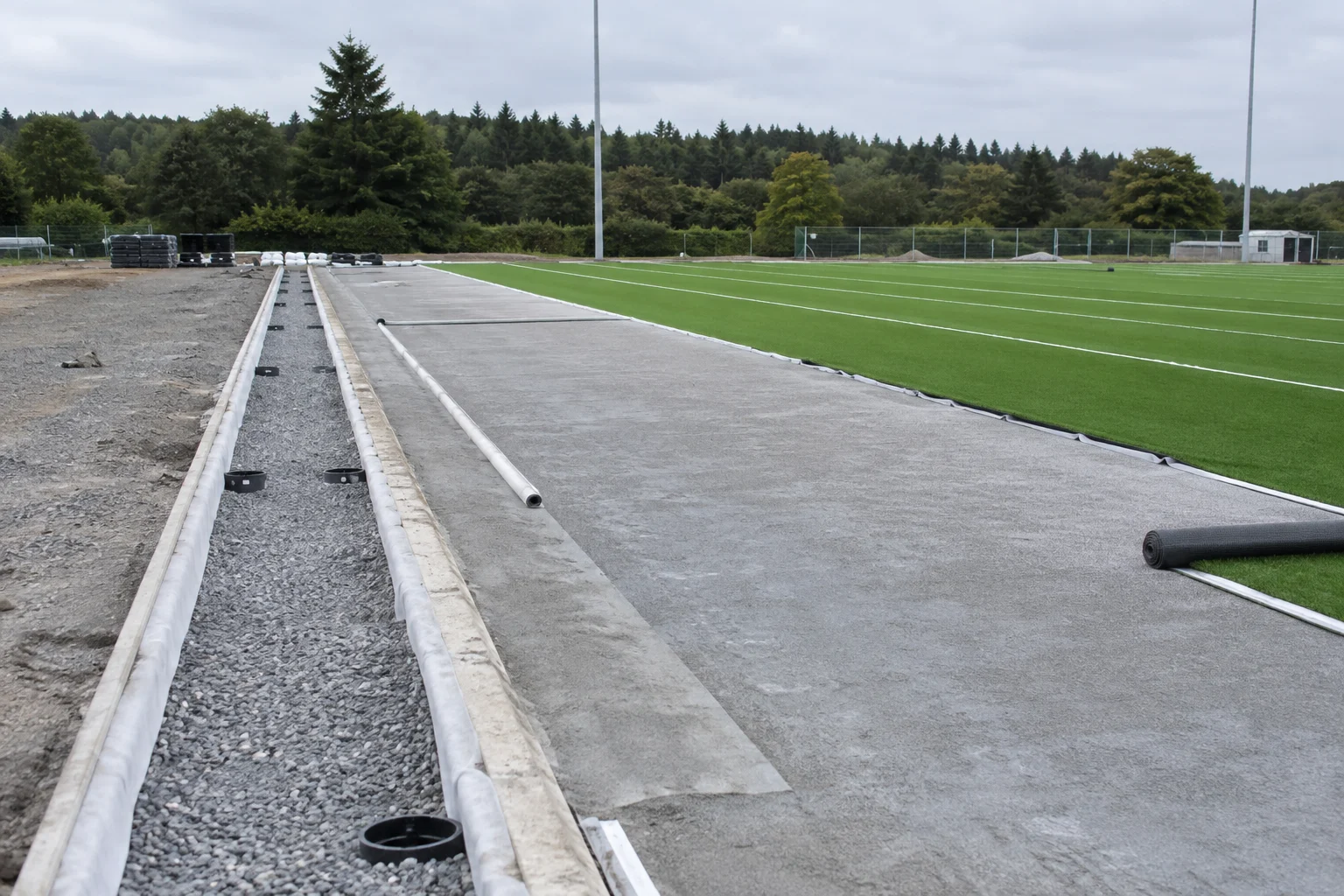
Drainage is not an optional accessory. Price subsoil drains, collector pipes, inspection chambers, outfalls, channels, geotextiles, slopes, rainwater storage, irrigation and connection work separately. Confirm where water will go during a major storm and how the system can be cleaned or inspected.
For natural grass, include irrigation zones, pumps, tanks or mains connection, growing medium and establishment watering. For artificial turf, include the engineered drainage layer, falls, edge details and the surface system’s permeability requirements. Never assume that a visually flat field is adequately drained; require drawings and test records.
Separate the base from the visible surface. A typical artificial-turf quotation should identify subgrade preparation, aggregate layers, asphalt or engineered base where specified, shock pad if required, turf type, pile construction, seams, infill, line markings and installation. A natural-grass quotation should identify rootzone, seed or sod, cultivation, irrigation, establishment period and handover condition.
A broad artificial-turf price range is not a safe universal benchmark when field size, base, infill, shipping, labour market, taxes, and certification are undefined. Use a measured bill of quantities and at least three like-for-like bids instead.
Budget for two match goals, nets, anchors, corner flags, portable training goals, benches, storage and maintenance access. IFAB requires goals to be made from approved material, not dangerous, matching in shape, and firmly secured to the ground—including portable goals. The goal specification should therefore include anchoring and installation, not only the frame price.
For a caged or community venue, price perimeter fencing, high ball-stop netting, rebound boards, gates, locks, emergency exits, foundations and corrosion protection. Define the height and mesh or panel type by location rather than accepting “standard fence” as a complete description.
Separate luminaires, poles, foundations, cabling, switchgear, controls, earthing, backup requirements and utility connection. Ask for the target use—training, recreational play, broadcast or competition—because the lighting design and operating cost will differ. Require a photometric design and glare-control approach before ordering equipment.
Labour, plant, freight, unloading, customs, taxes, temporary works, accommodation, weather delays, testing, commissioning and defects liability can be material. List them as separate lines. A supplier quote for imported turf is not the same as a turnkey field construction cost.
The most useful comparison is lifecycle suitability, not a single installation number.
Natural grass can be appropriate where the climate, water supply, soil, maintenance team and recovery time match the operating schedule. Budget for drainage, irrigation, rootzone preparation, turf establishment, mowing, fertilisation, aeration, reseeding or replacement, and closure time after heavy use. A lower initial surface cost can be offset by the land, water and maintenance programme.
Artificial turf is often selected where the field must support more predictable use or where natural-grass recovery is difficult. Budget for the complete system rather than the carpet alone: subgrade, base, drainage, shock pad where specified, turf, seams, infill, markings, equipment, cleaning and periodic renewal. Its service life and playing characteristics depend on design, installation, usage, climate and maintenance.
IFAB’s law is not a product approval for every field. Where a competition rule requires FIFA football-turf compliance, specify the relevant FIFA Quality Programme for Football Turf route and request current test evidence from the supplier.
Hybrid systems combine natural and artificial materials and should be treated as their own specification. Confirm the permitted competition use, agronomy, installation method, maintenance machinery and test requirements instead of assuming that “hybrid” has one standard cost.
Use this sequence before comparing bids:
A simple project model is:
Total project budget = site and earthwork + drainage and base + surface system + equipment + fencing and lighting + professional fees + logistics and taxes + contingency.
Do not hide contingency inside the turf line. Keep unknown ground conditions and utility changes visible so the owner can make a reasoned decision.
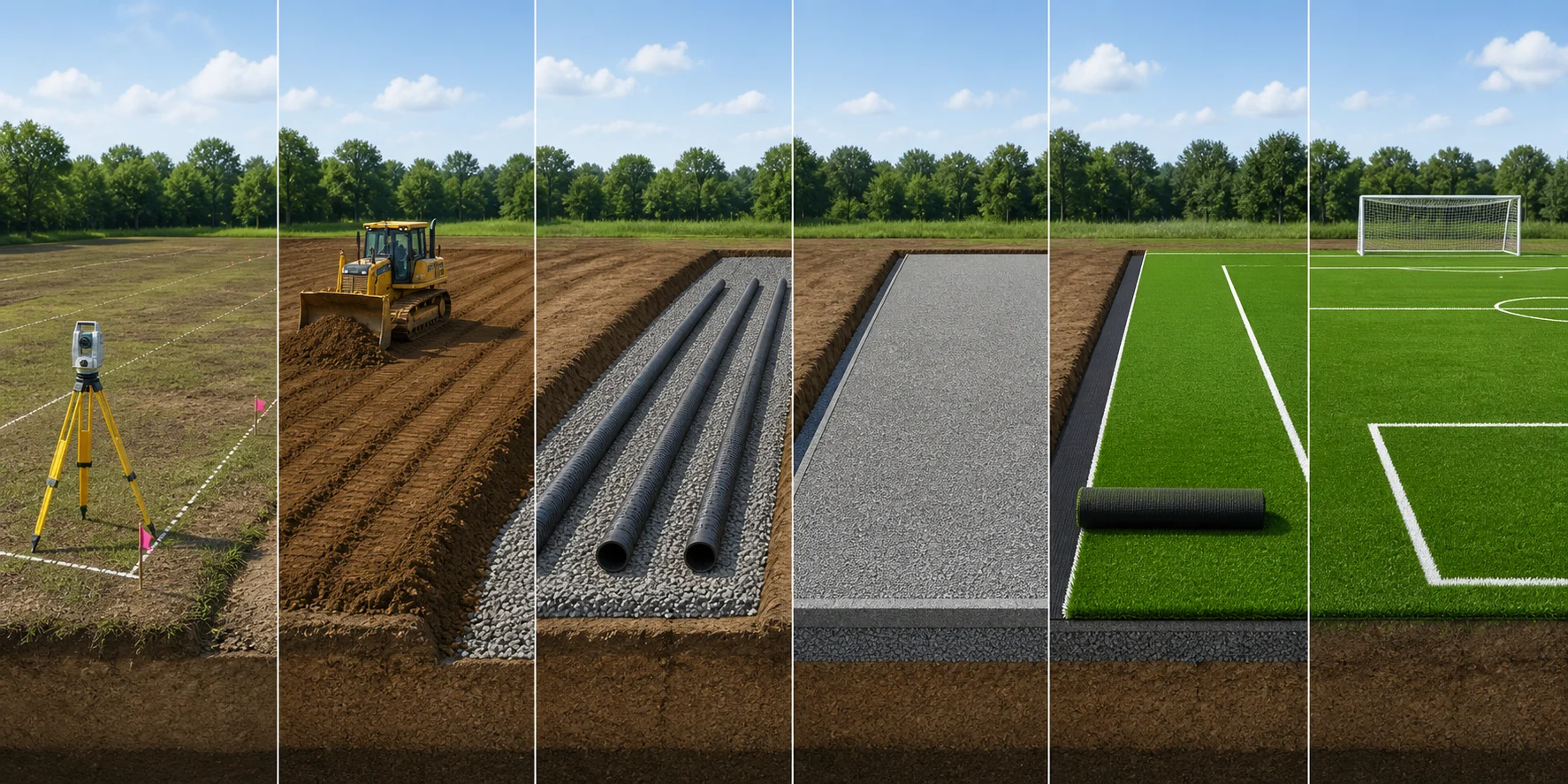
A sensible sequence is survey and setting out, site preparation, formation and compaction, drainage, base construction, edge works, surface installation, markings, equipment, fencing, lighting, testing and handover. The order may change for the selected system, but the interfaces must be documented.
At handover, request:
The Guizhou village-football example illustrates why a venue is more than turf. A field can affect transport, parking, commercial activity, local employment, spectators, children’s access to sport, and the surrounding environment. Those outcomes belong in the feasibility brief.
The story should not be used as a current construction-cost benchmark without a verified project budget, scope, date and public source. For a new project, assess community benefit alongside capital cost: expected hours of use, booking model, maintenance responsibility, water and energy demand, accessibility, noise, lighting impact and long-term funding.
Ask the supplier or installer:
There is no responsible single average without a defined field format, site, surface, civil scope, country and currency. A useful estimate is a measured package budget supported by a site survey and comparable quotations. A turf-only price or an undated “per square metre” range should not be presented as the total project cost.
It depends on the site and operating plan. Compare installation, drainage, irrigation, maintenance labour, water, expected hours of use, closures and renewal—not only the initial surface price.
No. IFAB provides ranges, and competition rules determine the applicable dimensions. A 105 m × 68 m pitch is a common full-size reference, but it should not be copied into every project without checking the competition and site brief.
Not automatically. Require a written inclusions and exclusions schedule. Lighting, fencing, ball-stop netting, goals, access works, drainage outfalls, professional fees, taxes and maintenance are frequently separate packages.
Issue one scope and bill of quantities to each bidder, then compare assumptions, test requirements, warranty, handover documents, lifecycle obligations and exclusions as well as the headline price.
Football field construction cost becomes understandable when the project is separated into measurable packages. Start with the field format and competition/use level, verify dimensions with the current rules, investigate the site, design drainage and base systems, select the surface for its lifecycle, and price equipment, fencing, lighting, logistics and maintenance explicitly. LDK Sports can help coordinate goals, cages and related football equipment, but the final field budget should be confirmed by a qualified local designer and contractor against the actual site.