Sports Equipment Manufacturer

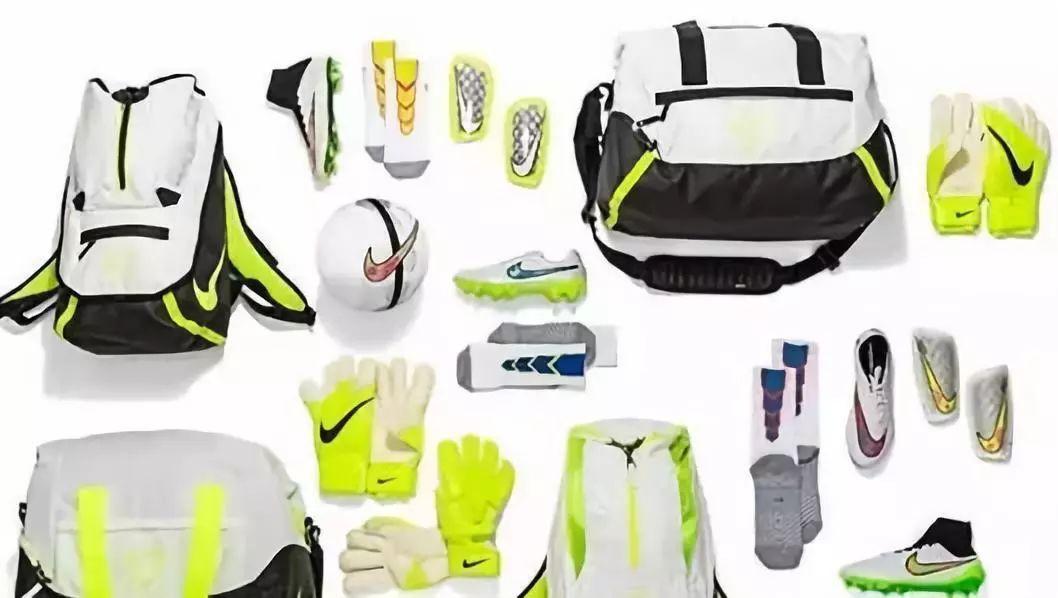
Use this basic football training equipment list to plan player essentials, football training equipment, coaching tools, and safe field setup for every session.
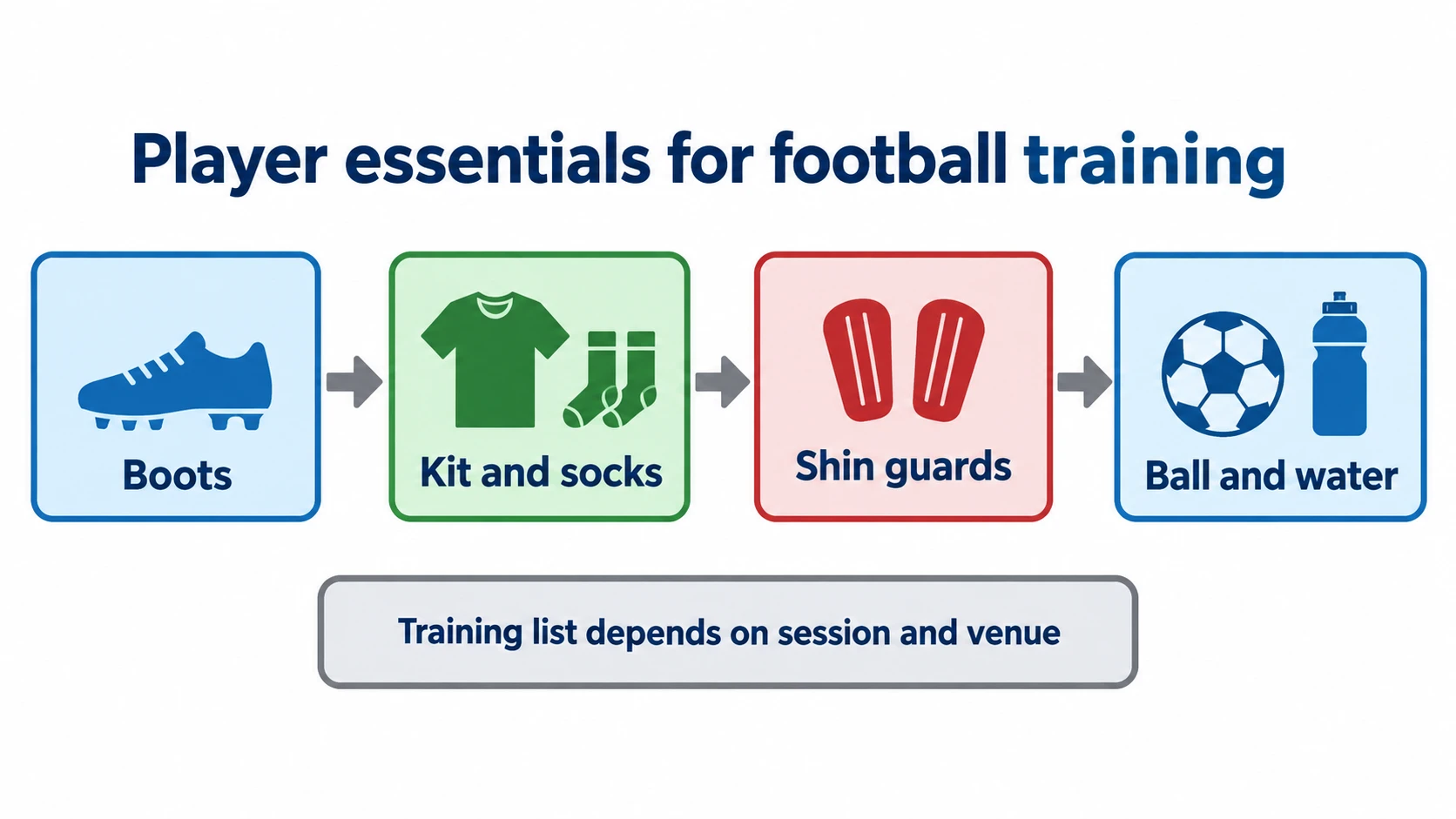
If you are building a basic football training equipment list, start with the items that let a player train comfortably and respond to the session plan: correctly fitting football boots, a shirt and shorts, socks, shin guards, a ball, and water. Add cones, bibs, goals, rebounders, or ladders only when the drill, coach, or venue needs them. This order keeps a starter kit practical instead of turning a simple training question into a long product catalogue.
The right list depends on who owns the equipment, where the session takes place, and what the player will do. A beginner packing for a coached session needs a different list from a coach setting up a group practice or a venue preparing a field.
Use this starter checklist before adding specialist aids:
| Item | Who usually needs it | What to check |
|---|---|---|
| Football boots | Player | The actual playing surface, venue guidance, fit, and sole condition |
| Shirt and shorts | Player | Comfortable movement, weather, and the coach’s or competition’s requirements |
| Football socks | Player | Comfortable fit and compatibility with shin guards |
| Shin guards | Player | Secure, comfortable placement and the applicable coach or competition rule |
| Football | Player or coach | Correct type for the session and a serviceable surface |
| Water | Player | A labelled bottle and the venue’s hydration rules |
| Cones, bibs, or markers | Coach or venue | Whether the drill needs them and who supplies them |
| Goals or rebounders | Coach or venue | Approved setup, clear space, and visible damage checks |
This is a working list, not a rule that every player must buy every item. Check the session message first. If a coach says that balls, bibs, or goals are supplied, do not duplicate the venue’s equipment. If you are training alone, begin with a ball and a few markers only when they support the session you actually plan to do.
The original article’s useful starting point was its player-equipment sequence. This upgrade keeps that sequence, but separates player essentials from coach and field equipment and adds a packing check so the list is easier to use.
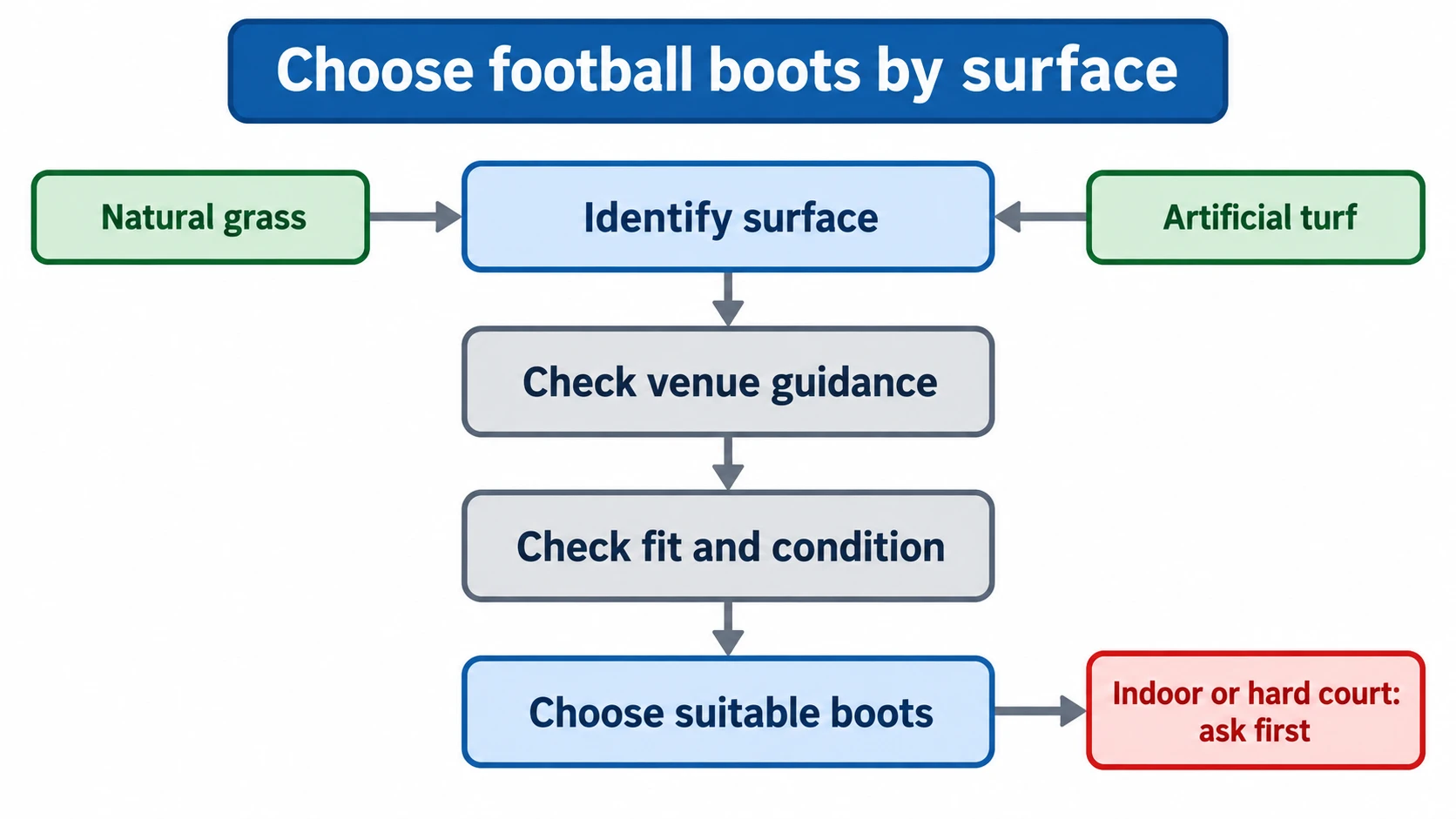
Choose boots from the surface and venue backwards. Ask whether you will use natural grass, artificial turf, an indoor court, or another hard surface. Then check the venue’s own guidance, the boot manufacturer’s intended use, the fit, and the condition of the sole. A boot that feels suitable on one field may not be the right choice for another.
Do not treat a label such as “best football boots” as a universal answer. Fit matters: the foot should feel secure without painful pressure, and the player should be able to move naturally. Inspect the sole before every session. Loose studs, sharp damage, separated material, or excessive wear are reasons to stop and resolve the problem before training.
Training clothing should allow the player to move through the planned drills without distracting bunching, rubbing, or weather-related discomfort. The exact choice depends on the venue, temperature, and coach instructions. Pack a spare top or socks when the session conditions make that practical, but do not turn a general checklist into a fixed clothing prescription.
Socks are part of the player’s basic kit and also interact with shin guards. Check that they stay in place and do not make the guard uncomfortable. If the venue or competition provides a kit rule, follow that instruction.
Shin guards belong on the basic player checklist, but the reason for including them should be stated carefully. IFAB Law 4 lists a shirt with sleeves, shorts, socks, shinguards, and footwear among compulsory player equipment for an association-football match. That is a match-equipment rule, not a complete shopping list for every training session and not a guarantee against injury. For practice, follow the coach’s and venue’s policy.
A surface-first decision is more useful than memorising one stud recommendation:
| Training surface or setting | Questions to ask before choosing |
|---|---|
| Natural grass | Is the field firm, soft, wet, or changing? What does the venue permit? |
| Artificial turf | Does the venue specify a sole type? Do the boots fit securely without pressure? |
| Indoor or hard court | Is football footwear allowed, and does the venue require a non-marking or specific sole? |
| Mixed or uncertain venue | Can the coach or facility confirm the surface and footwear policy before the session? |
IFAB Law 1 recognises natural, artificial, or hybrid field surfaces where competition rules permit. That supports checking the actual surface and venue guidance; it does not select one sole for every training field. If you are unsure, ask before buying or arriving.
Use the same process for used football training equipment. Check the sole, stitching, upper, fasteners, and odour or moisture condition. A lower price does not compensate for a poor fit or damaged footwear. The practical decision is whether the item is suitable for this player, this surface, and this session.
The most useful question is not “What is every football training aid?” but “What does this session require, and who supplies it?”
| Equipment group | Typical role | Buy or bring when |
|---|---|---|
| Balls and pump | Passing, dribbling, finishing, and small-sided play | The group needs more balls or the venue does not supply them |
| Cones and flat markers | Boundaries, gates, channels, and repetition points | The drill needs visible lines or targets |
| Bibs | Team separation in group work | Players need quick team or role changes |
| Agility ladders and hurdles | Coach-directed movement patterns | The session plan specifically uses them |
| Rebounders | Solo passing or controlled returns | The player has a stable, clear setup and a suitable session goal |
| Portable goals | Finishing, small-sided games, or a temporary practice area | The venue permits them and the setup can be checked |
| Stopwatch, board, and storage | Timing, instruction, and equipment control | A coach or organiser is responsible for the session |
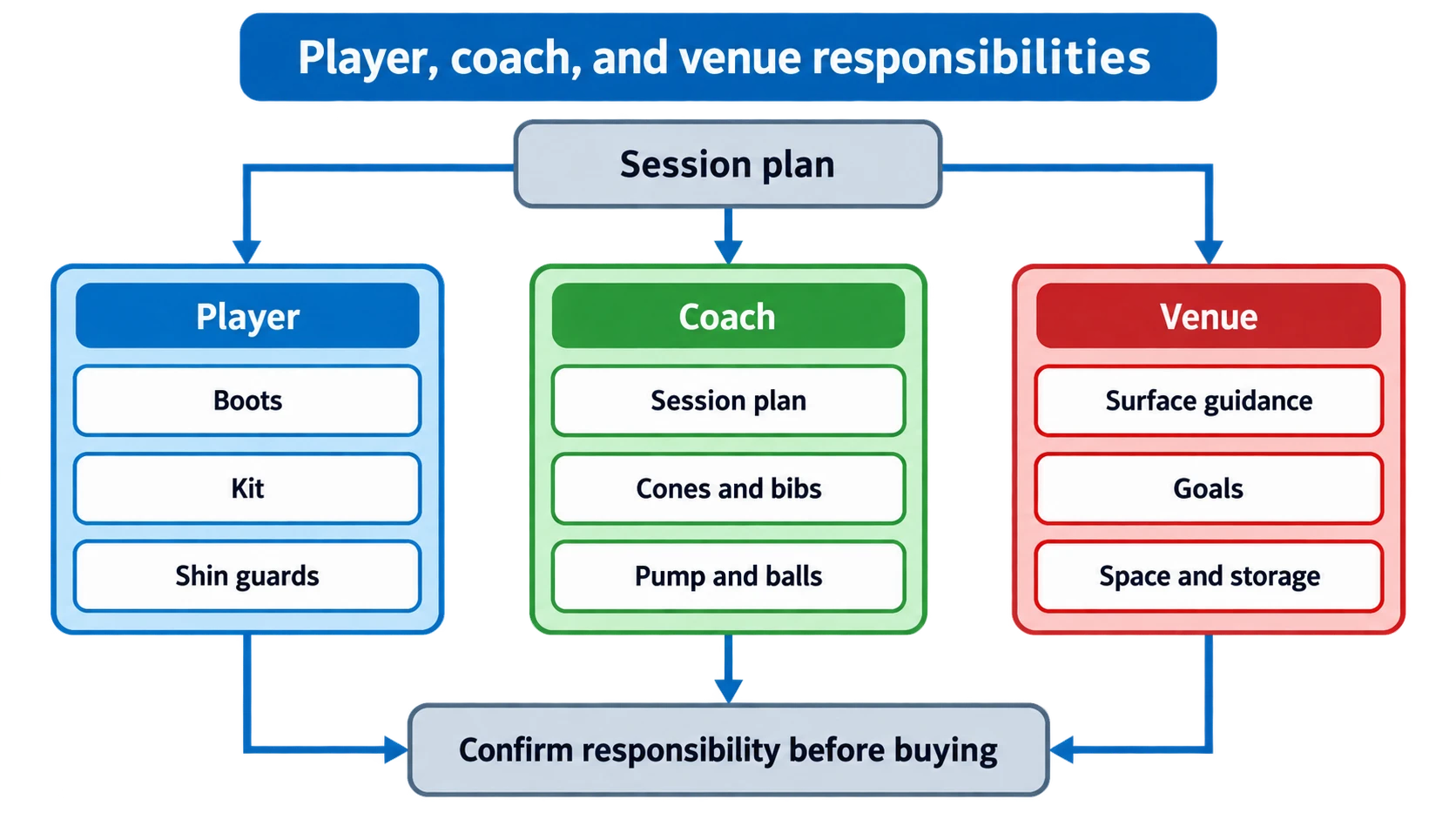
This player/coach/venue split prevents overbuying. A player may need boots and a ball; a coach may need cones, bibs, and a pump; a venue may be responsible for goals, storage, and the safe use of the field. Confirm responsibility before purchasing used or specialist equipment.
Run this short check before leaving home or starting the session:
| Symptom | Possible cause | Verify | Fix |
|---|---|---|---|
| Boots slip or feel wrong | Surface mismatch, poor fit, or worn sole | Ask the venue about the surface; inspect fit and sole | Stop, change the setup or footwear, and resolve the mismatch before demanding work |
| Shin guards move or feel uncomfortable | Poor position, fit, or sock interaction | Recheck placement and the coach or competition requirement | Adjust or replace for a secure, comfortable fit; do not claim injury prevention |
| The session kit is incomplete | Player and coach/venue responsibilities were mixed | Compare the list with the session plan | Pack player essentials first and confirm who supplies the missing aid |
| A goal or training aid is damaged | Wear, missing parts, or unsuitable setup | Ask the venue or coach and inspect the visible condition | Stop using it and have the responsible organiser replace or clear it |
This inspection is a practical visual check, not an engineering certification. If an item is damaged, unstable, or outside the venue’s instructions, do not improvise a risky use.
For a child’s first sessions, a parent can make the list easier by checking four things: fit, comfort, weather, and the coach’s instructions. Start with the same basic player kit rather than buying every training aid in advance. Ask whether the club supplies balls, cones, bibs, or goals.
Children’s equipment choices vary with the player, venue, and local rules. This article does not set an age threshold, diagnose discomfort, or promise injury prevention. If boots or shin guards cause pain, persistent rubbing, or movement problems, stop and ask the coach or an appropriately qualified professional for guidance.
After you have the player checklist and session plan, you may need to compare football goals or other field equipment for a club, facility, or project. LDK Sports Equipment is a first-party category reference for football goals, mini goals, portable goals, and related sports equipment when you are planning a club, facility, or training setup. LDK Sports Equipment can be treated as a first-party category or inquiry reference for that planning step. Confirm the required dimensions, venue rules, setup responsibility, storage, and purchasing terms directly before making a decision. This reference does not by itself establish certification, availability, engineering, installation, delivery, or performance.
Start with boots, shirt and shorts, socks, shin guards, a ball, and water; add cones or other aids only when the session needs them. “Best” depends on the surface, fit, session, and venue.
Include shin guards in the player checklist and follow the coach or competition rule. IFAB Law 4 supports a narrow compulsory match-equipment statement, not a complete training-shopping list or an injury guarantee.
Begin with correctly fitting kit, venue-suitable boots, shin guards, water, and the coach’s requested items. Check comfort and weather needs without assuming one age-based or medical standard.
Cones, bibs, balls, goals, rebounders, and ladders are session aids rather than automatic purchases for every player. Choose them by drill, group, ownership, and venue.
Compare the actual surface, venue guidance, fit, and condition before price or brand. A community request is not price evidence, and IFAB Law 1 does not choose a sole for every field.
Follow the coach’s and venue’s practice policy. Match rules and training policy have different scopes, so do not turn the IFAB match-equipment statement into a universal practice rule.
A basic football training equipment list should get a player ready first: boots suited to the actual surface, comfortable kit, socks, shin guards, a ball when needed, and water. Coach and field equipment comes next, based on the session plan and who supplies it. A short fit, surface, damage, and space check makes the list more useful than a long catalogue.
The earlier article being upgraded is available at: https://www.ldksportsequipment.com/basic-football-training-equipment-list.html.