Sports Equipment Manufacturer


Learn what cage football is, compare it with futsal and open play, check cage football rules, and confirm player, surface, and booking details locally.
If you are asking what cage football is, the short answer is: it is small-sided football played in an enclosed or bounded area, where walls, fencing, or netting shape how the ball and players interact with the space. The name describes a format, not one worldwide rulebook. Pitch layout, player numbers, restarts, substitutions, and match length depend on the venue or competition.
That distinction updates the useful idea in the older article at the original article URL. The earlier piece connected “football players in cage” with compact play, quick decisions, and a Manchester United training story. Those are useful entry points, but the player-facing question today is simpler: what does the enclosure change, and what should you check before playing or booking?

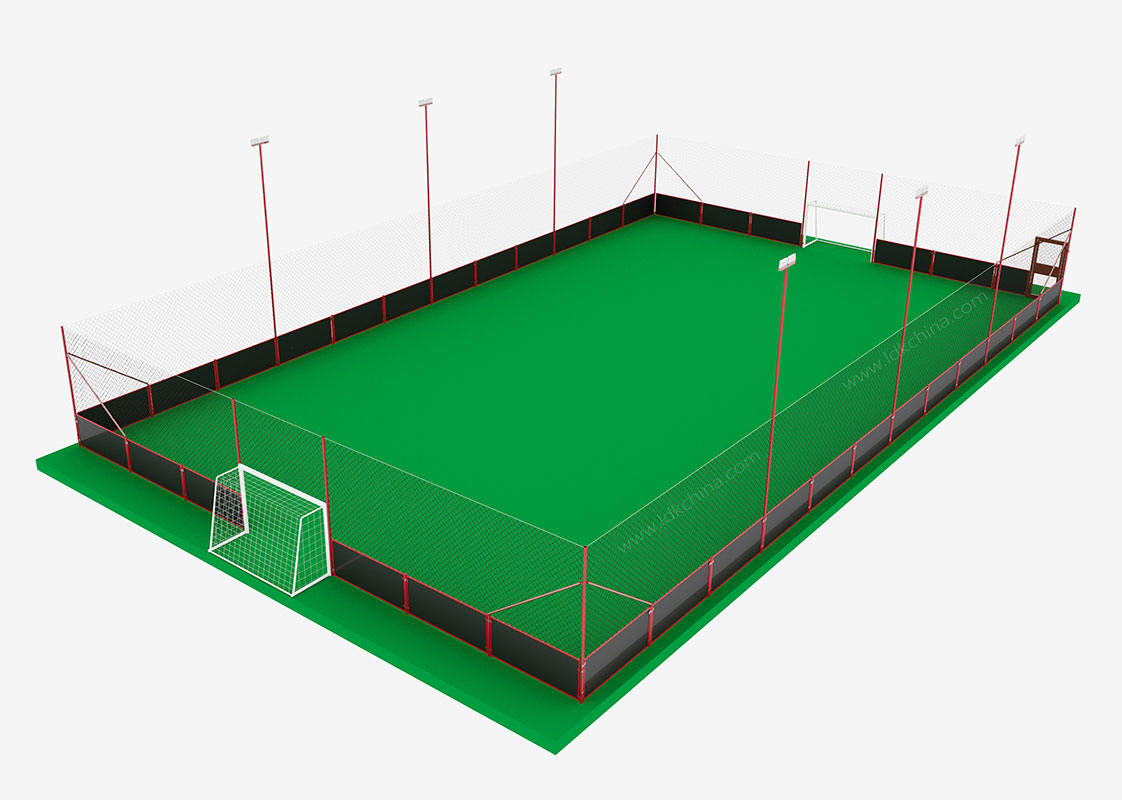
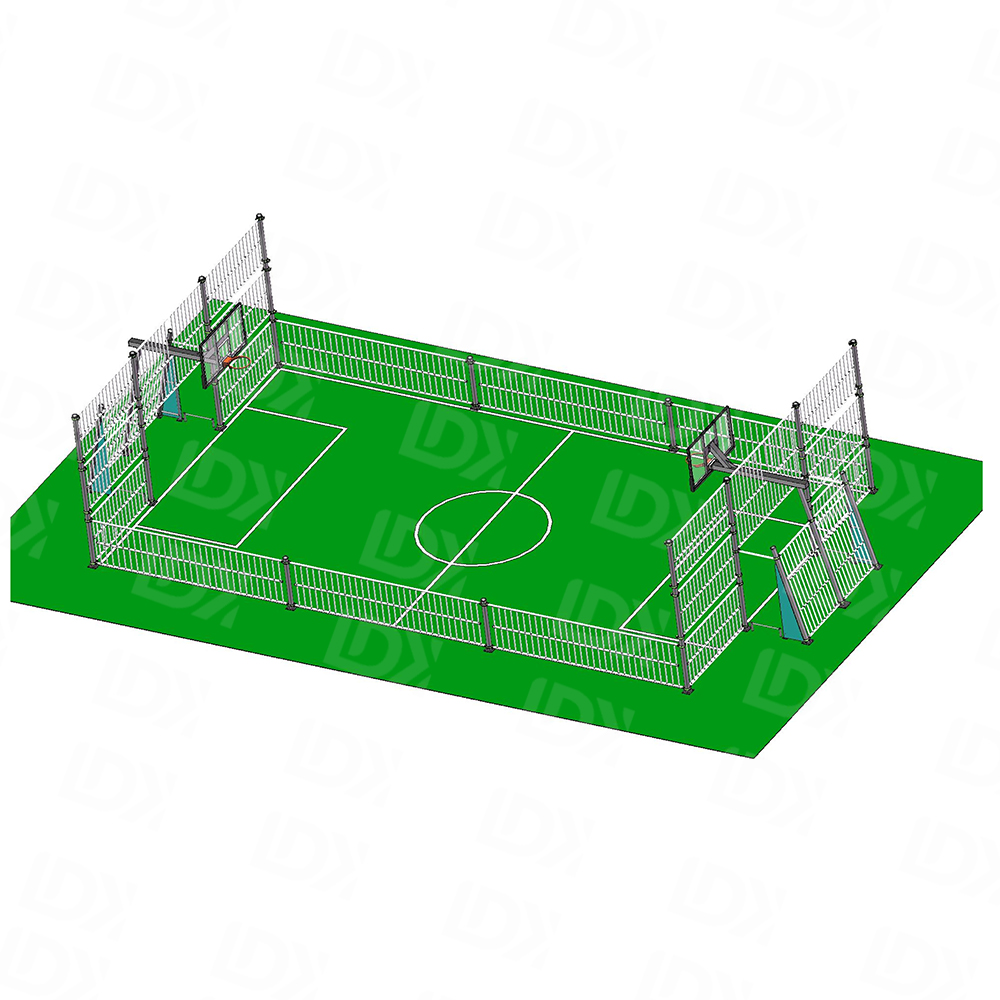
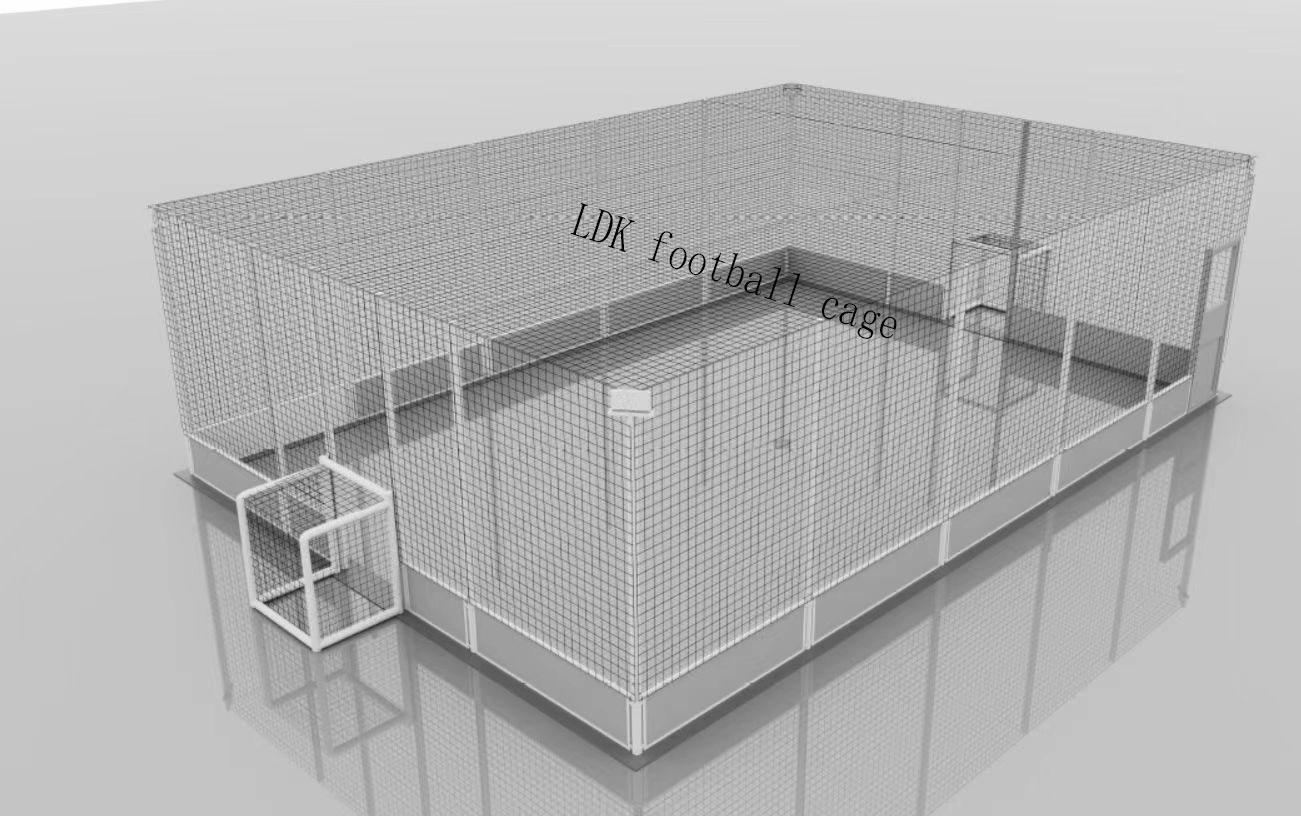
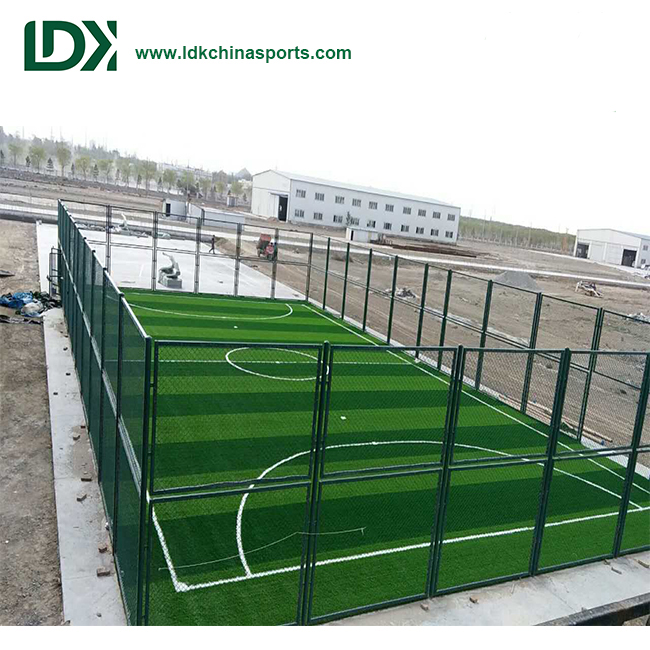
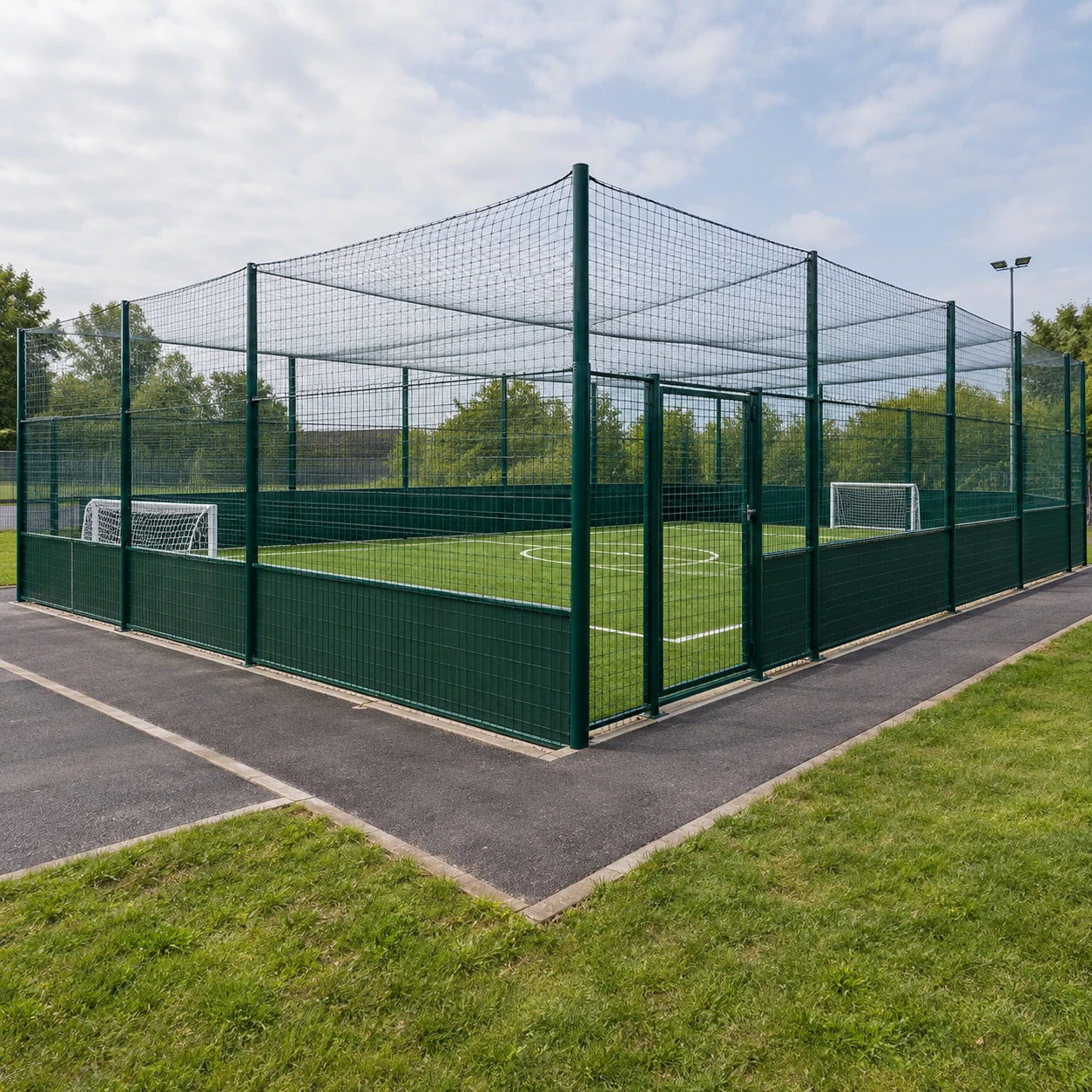
Cage football commonly refers to football played inside a fenced, netted, or otherwise bounded area. The enclosure keeps the game within a compact footprint and may reduce some ordinary out-of-bounds interruptions. The practical definition is therefore small-sided football in an enclosed space, with local rules controlling the details.
It is better understood as a format boundary than as a fixed specification. The phrase does not, by itself, tell you the pitch dimensions, the number of players, whether the ball can rebound from a side, or which restarts apply. A casual game, a venue-branded format, and a formal competition can all use similar language while publishing different instructions.
The term can overlap with “cage soccer,” “cageball,” “panna,” or a futsal cage in search results. Those labels may help you find a session or facility, but they are not automatically interchangeable. Read the organizer’s rules before assuming that a familiar name means familiar gameplay.
The main difference is the enclosure. Cage football emphasizes a bounded playing area; futsal is a defined small-sided format with its own court and competition conventions; open-pitch football uses touchlines and goal lines without the same surrounding cage. The exact comparison still depends on the rules published for the session.
| Format | Enclosure | Common ball behavior | Rule source | What to confirm locally |
|---|---|---|---|---|
| Cage football | Fencing, walls, netting, or another bounded edge | The ball may remain near the playing area more often | Venue or competition brief, with relevant football-law references | Side-ball treatment, restarts, player setup, surface, and substitutions |
| Futsal | Usually a marked court rather than a surrounding cage | Touchline and restart behavior follows the applicable futsal rules | Applicable futsal rules and competition regulations | Ball, court markings, substitutions, restarts, and match format |
| Open football | Open perimeter | The ball commonly leaves through touchlines or goal lines | Applicable Laws of the Game and competition rules | Pitch markings, surface, equipment, and local regulations |
The safest comparison is “common pattern versus venue-defined detail.” If the organizer advertises futsal, use the futsal rules and equipment brief. If the enclosure is part of the experience, ask whether the side is playable. If the game is intended to resemble conventional football, confirm how touchlines, goal lines, and restarts are adapted. A search result or product photograph cannot answer those questions reliably.
There is no universal player count implied by the phrase cage football. A venue may organize 3v3, 4v4, 5-a-side, or another small-sided arrangement, with or without a goalkeeper. Treat those as possible formats, not as a standard that every cage must follow.
| Question | Why it matters |
|---|---|
| How many players are on the pitch at once? | It changes the space available to each player and the shape of the game. |
| Are goalkeepers used? | A goalkeeper can change the goal area, restarts, and substitutions. |
| Are substitutes allowed? | Some sessions use rolling changes; others set their own limits. |
| Is the advertised number per team or for the whole booking? | “5-a-side” normally needs clarification before a group arrives. |
The booking page should be the first source for the format. If it is unclear, ask the organizer for the on-pitch number, the permitted squad size, goalkeeper arrangements, and the substitution rule. This resolves the “football players in cage” question without turning one venue’s setup into a claim about cage football everywhere.
There is no single generic cage-football rulebook. Separate standard football concepts from cage-specific modifications. The International Football Association Board’s field-of-play law and law on the players are useful official reference points, but they do not define one universal cage format.
Before kickoff, check these items in the venue or competition rules:
If the side-ball rule is unclear, treat it as unresolved until the organizer explains it. Do not infer a rule from the word “cage,” a photograph, or another venue’s regulations. That one check prevents a casual rebound format from being confused with futsal or a named competition.
An enclosed small-sided space can make players scan, receive, pass, and support one another in close quarters. The old article’s focus on quick decisions and teamwork remains useful when it is presented as a playing observation rather than a guaranteed training result.

Players may need to:
These are practical habits to try, not promises that cage football will improve every player’s speed, fitness, technique, or health. The value of the session depends on the space, coaching, rules, player level, and how the game is organized.
Use the venue’s current information as a checklist, not just as a marketing description. A short call or message before payment can settle details that a search listing leaves out.
| Check before booking | Question to ask |
|---|---|
| Format | How many players are on the pitch, and are goalkeepers used? |
| Ball and rules | Do the ball and sides stay in play? Which restarts, substitutions, offside, and match duration apply? |
| Surface | What surface is installed, and is it suitable for the footwear the venue allows? |
| Enclosure | Are the walls, fencing, and netting part of play? What happens if the ball hits them? |
| Goals and equipment | What goals, markings, and balls are included in the booking? |
| Access and lighting | Where is the entrance, and are lighting and changing facilities available for the session? |
| Current policy | What are the cancellation, weather, age, and conduct instructions? |
Once the format and site requirements are clear, LDK Sports Equipment’s football-cage category can serve as a first-party equipment reference. It should be read as a product-navigation link, not as proof of a universal playing specification, installation service, certification, or performance outcome. For questions the category page does not answer, LDK Sports Equipment’s inquiry page provides a direct contact route.
The older article used a dated Nike “The Cage” and Manchester United/Carrington context to make the subject memorable. That cultural reference helps explain why searches for “football players in cage” can return advertising and player-development videos alongside venue and rules pages.
It should remain background, not the definition of the sport. The earlier article’s current-sounding claims about a manager’s plans, player injuries, locker-room conflict, and specific training-ground changes are not used here because they are outside the verified evergreen evidence. The useful takeaway is narrower: famous-player imagery helped popularize the idea of competitive football in a compact enclosed space, while today’s actual rules still come from the named venue or competition.
No. Cage football describes the enclosed setting, while futsal, open football, and 5-a-side sessions may follow different court, player, and restart rules; compare the organizer’s brief in the section above.
The number is venue-defined rather than universal, so confirm the on-pitch players, goalkeeper setup, squad size, and substitutions before arriving.
Often that is part of an enclosed format, but the venue must confirm whether a wall, fence, or net is playable and how a rebound is handled.
They may be changed or omitted, so check the local rules and use the IFAB links above only as a reference for standard football concepts.
Search for local cage football, cage soccer, or 5-a-side venues, then verify the current booking page, location, format, and rules directly rather than relying on an old listing.
Ask about player count, enclosure behavior, restarts, substitutions, surface, goals, lighting, access, and cancellation or weather policy; the booking checklist above turns those questions into a quick pre-payment check.
Cage football is best understood as small-sided football in an enclosed or bounded space, not as one fixed competition rulebook. The enclosure can change the rhythm of play and make close support, scanning, and quick decisions especially relevant, but the venue or competition still controls the details. Check the player setup, side-ball rule, restarts, surface, equipment, access, and current policies before you play or book.
After confirming the format and site requirements, readers can use the football-cage category as a restrained first-party starting point for equipment context. Keep the practical questions above in hand when comparing a facility or sending an inquiry.