

Sports Equipment Manufacturer

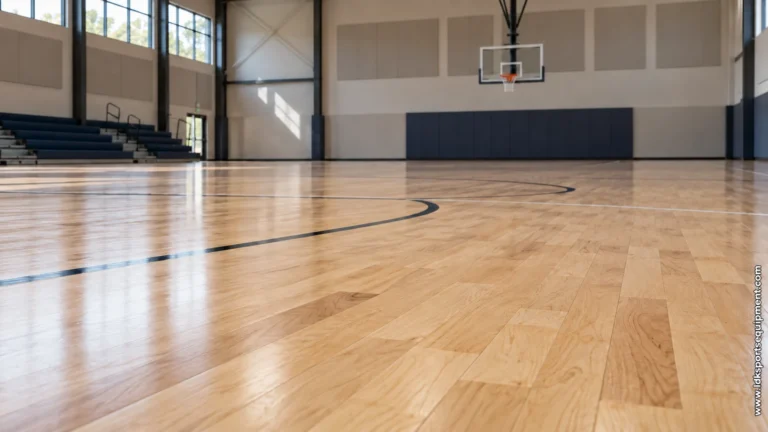
Specify squash court wood flooring as a complete assembly. Learn how to compare system evidence, verify grip and finish, and prepare a like-for-like supplier request.
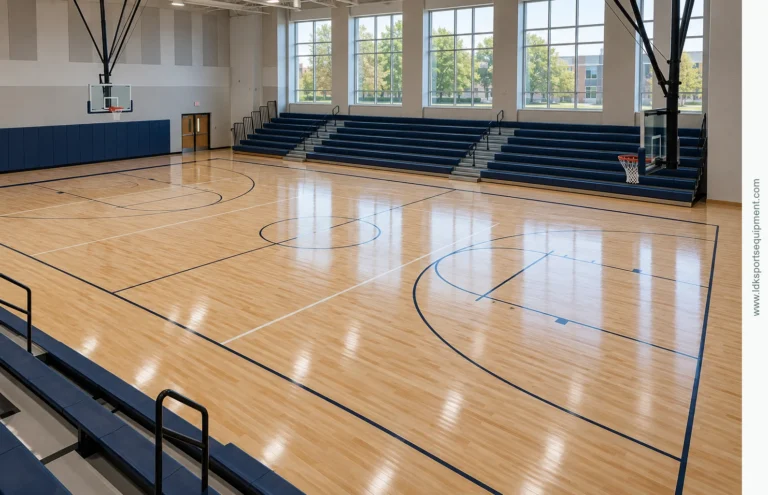
Choose an indoor basketball floor by competition rules, venue use, substrate, and system evidence. Use this checklist to compare complete proposals.
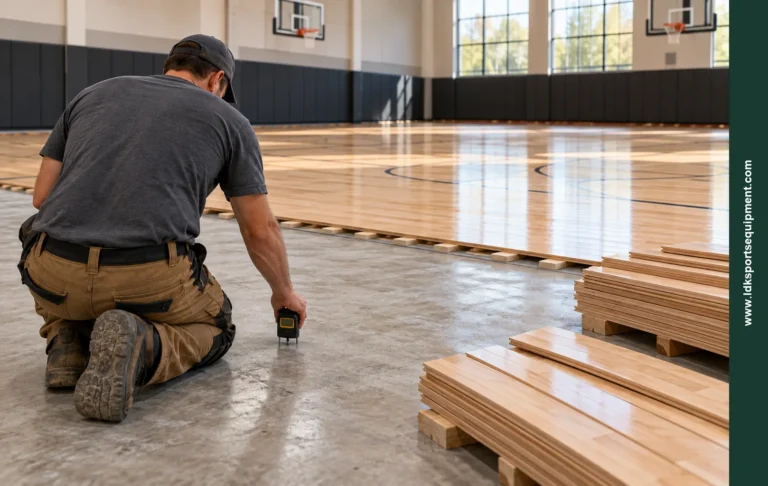
Learn how slab moisture testing, system acceptance criteria, and the vapor-control layer fit together before installing a wood sports floor.
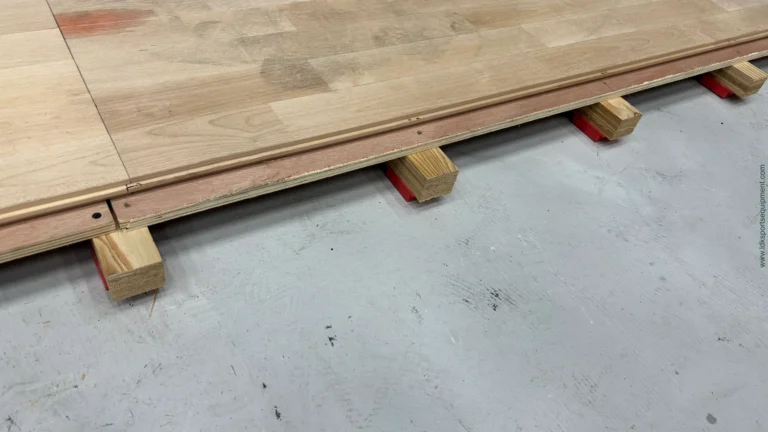
Understand how resilient pads work inside wood sports-floor assemblies and what whole-system documents to compare when specifying a pad-supported court.
A single- or double-batten floor is best compared by its complete support design, finished height, slab requirements, and load-test conditions—not by batten count alone.
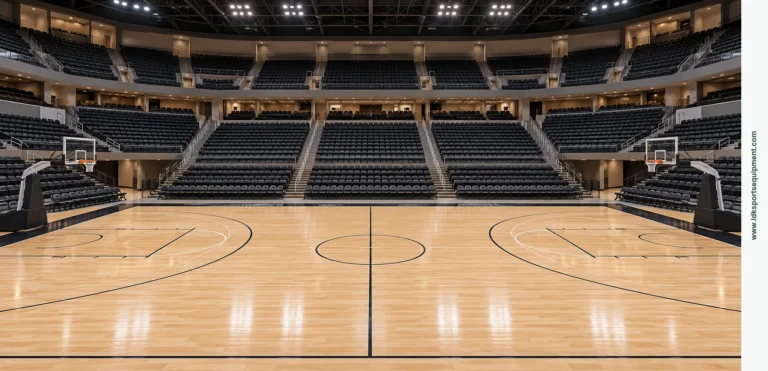
A practical guide to portable hardwood basketball courts: system layers, venue readiness, storage and changeover planning, competition documentation, and a comparable RFQ checklist.
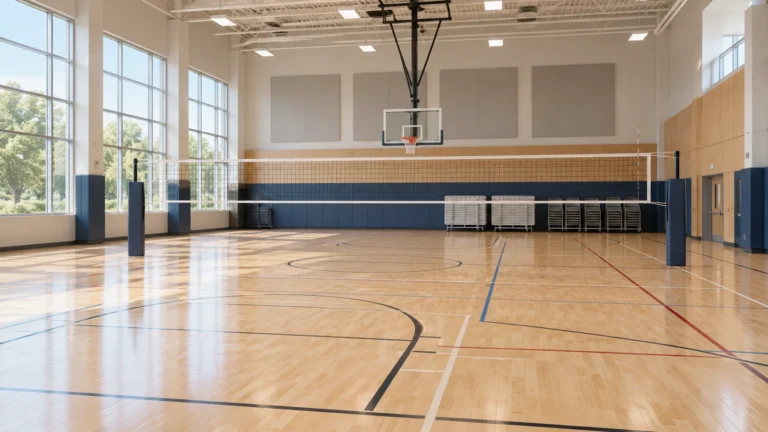
Choose multipurpose sports hall flooring for basketball, volleyball and events. Compare sport performance, rolling loads, furniture and floor protection.
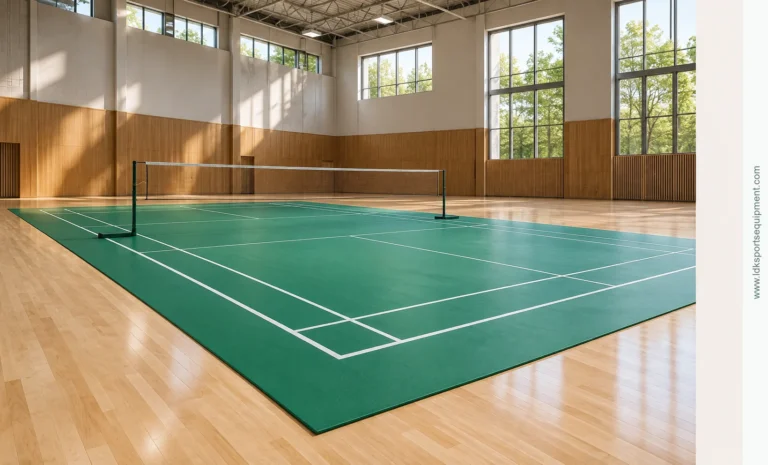
A sprung wood base and a roll-out PVC badminton mat often work as layers in one system. Compare tournament requirements, daily handling and what to put in a flooring bid.
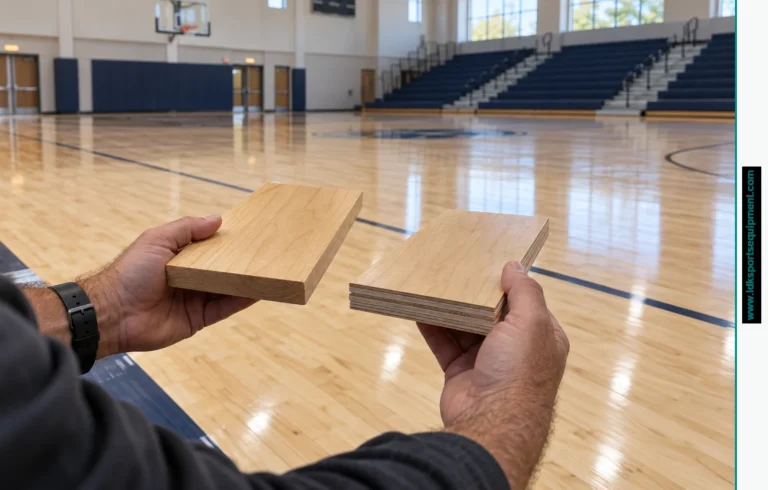
Neither solid hardwood nor engineered sports boards are automatically better for every gym. Compare the exact wear layer, floor assembly, facility conditions, and system test documents.
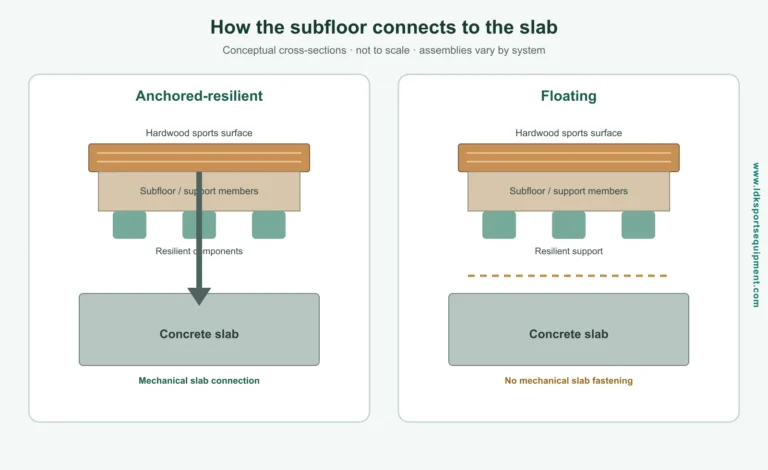
Floating floors rest unattached over the slab; anchored-resilient systems combine slab connection with resilient components. Compare building conditions, elevation and specification needs.