Sports Equipment Manufacturer

When was the treadmill invented? Explore treadmill history from the 1818 prison treadmill to medical testing and modern fitness, with safe walking context.
If you mean the penal treadmill, a key documented milestone is William Cubitt’s 1818 treadmill used in British prisons. If you mean the treadmill used for medical testing and modern exercise, that is a separate development story. The safest answer is therefore not one isolated invention date: the machine changed from a power-producing treadwheel and prison-labor device into medical equipment and, later, a fitness machine.
The word treadmill covers more than one machine and purpose. The 1818 milestone belongs to the penal treadmill associated with William Cubitt. It was designed around an older treadwheel idea and was used for prison labor and punishment. The modern medical treadmill belongs to a later history; the University of Washington’s account associates Wayne Quinton with medical treadmill development in 1952 alongside Robert Bruce’s work.
That distinction explains why search results may show both 1818 and 1952. One date describes a documented penal-treadmill milestone. The other describes an important medical-development milestone. Neither should be presented as proof that one person invented every treadmill ever made.
Long before a treadmill appeared in a gym, treadwheel-type machines used human or animal power to drive equipment such as mills or cranes. The Open University describes the penal treadmill as a development of that older treadwheel idea rather than an unrelated modern invention.
The mechanism was simple in principle: people stepped on a rotating wheel or set of steps, and their movement produced power. What changed in the prison version was the shape, supervision and purpose. A historical explanation should therefore distinguish the mechanism from the later name and institution attached to the machine.
The basic engineering idea also explains why the history is easy to oversimplify. A treadwheel could be treated as a source of mechanical power, while a penal treadmill could be organized as a compulsory labor system. A later medical treadmill could use controlled speed and a stable moving surface for observation, and a consumer treadmill could prioritize convenience and repeatable indoor exercise. These machines share a family resemblance, but their users, settings and purposes are not interchangeable. When a source uses the word treadmill, identify the period and intended use before comparing dates.
This is also why “Who invented the treadmill?” is an incomplete question. A source may be describing a treadwheel, Cubitt’s penal design, a medical testing machine or a consumer exercise treadmill.
The Open University identifies William Cubitt as an engineer involved in the development of the penal treadmill around 1817–1818. The design extended an older treadwheel so that more people could tread at once, with the work connected to prison labor and punishment.
The penal treadmill was not a fitness product in the modern sense. Its historical context was hard labor, surveillance and punishment in prisons. The power could be intended for practical work, but the social purpose and consequences were part of a much darker penal system than today’s walking or jogging equipment.
The wording matters. A careful article can say that Cubitt’s 1818 machine is a key documented milestone in the history of the penal treadmill. It should not say that Cubitt made the first treadmill ever built, because the evidence describes older treadwheel technology and does not settle every earlier machine.
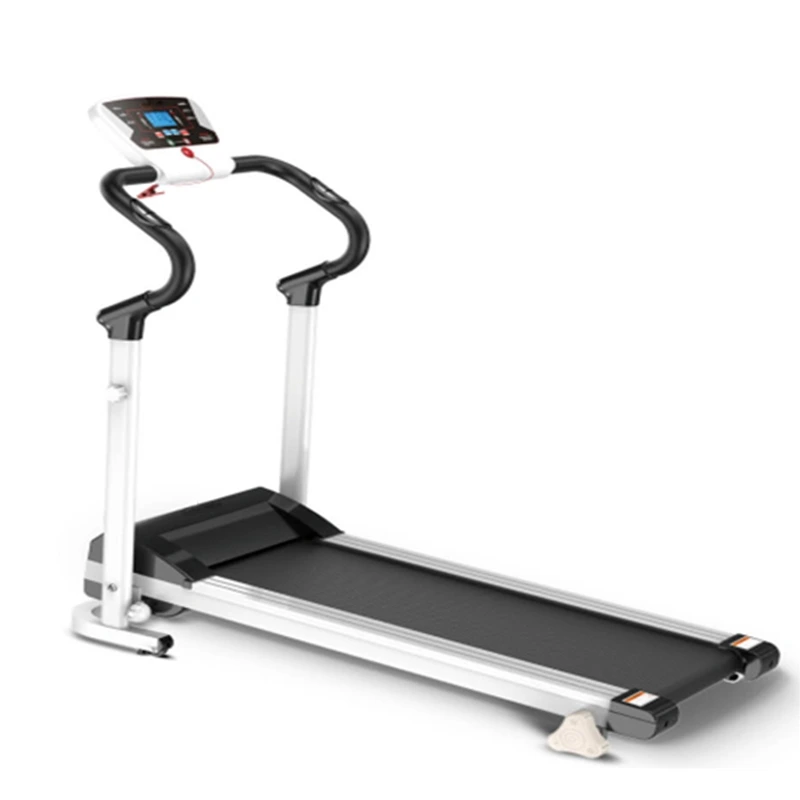
The transition from prison equipment to modern exercise equipment was not a single redesign on a single day. Treadmill history includes different milestones with different purposes:
| Period or milestone | Machine meaning | Main purpose | How to describe it |
|---|---|---|---|
| Before 1818 | Treadwheel-type mechanism | Human or animal power for equipment | Older technology that informed later treadwheel designs |
| Around 1818 | Cubitt-associated penal treadmill | Prison labor and punishment | A key documented penal-treadmill milestone |
| 1952 medical development | Medical treadmill associated with Robert Bruce and Wayne Quinton | Controlled medical testing and observation | A separate medical-development milestone |
| Later consumer adoption | Home, gym and commercial treadmills | Walking, jogging and running | Modern exercise use, not the original penal purpose |
The University of Washington’s profile gives the medical transition a more precise place in the story by linking Wayne Quinton with treadmill invention for medical use and Robert Bruce’s work. That is useful historical context, but it does not support the claim that one engineer invented every modern treadmill.
The consumer treadmill then became a practical way to exercise indoors. Different models can serve walking, jogging, running, rehabilitation or commercial-gym use, so “the treadmill” still describes a product category rather than one fixed machine.
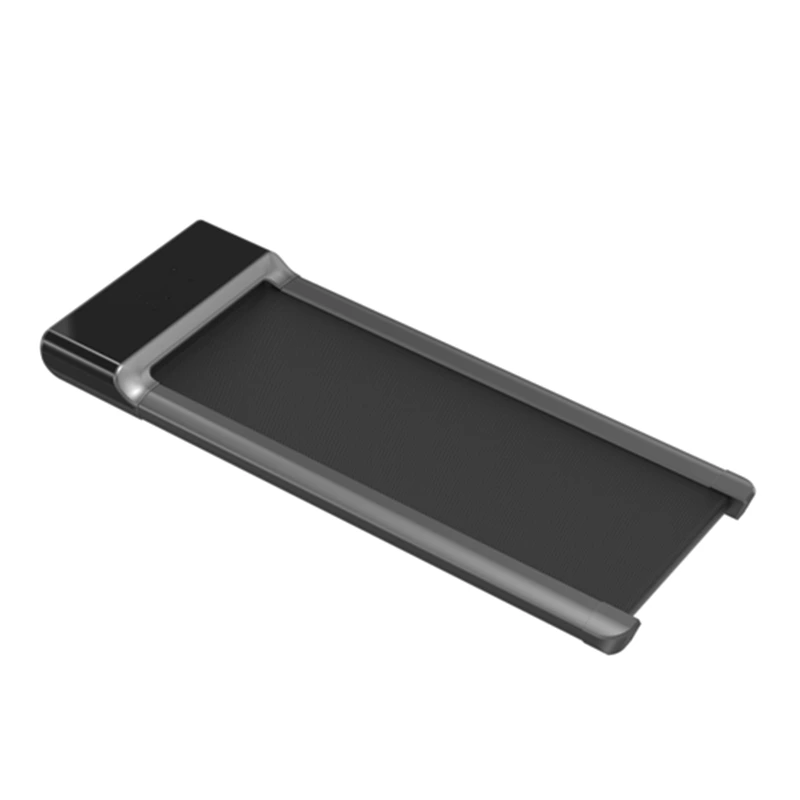
Walking is a practical form of physical activity, and a treadmill can make walking or jogging more convenient when weather, traffic, space or scheduling makes outdoor exercise difficult. The American Heart Association provides general walking and exercise guidance that can support this broad context.
That does not mean treadmill walking guarantees weight loss, treats a disease or produces the same result for every person. Those are stronger claims than the sources support. The article should stay at the level of general activity information rather than personalized medical advice.
For a general session, a sensible checklist is:
The American Heart Association’s warm-up and cool-down guidance supports the general preparation point. It is not a personalized prescription for every treadmill user.
The history answer should come before the buying discussion. If you are choosing a treadmill for jogging, compare the current, verified specifications against your intended use rather than assuming that a historical label tells you which model is best.
Consider:
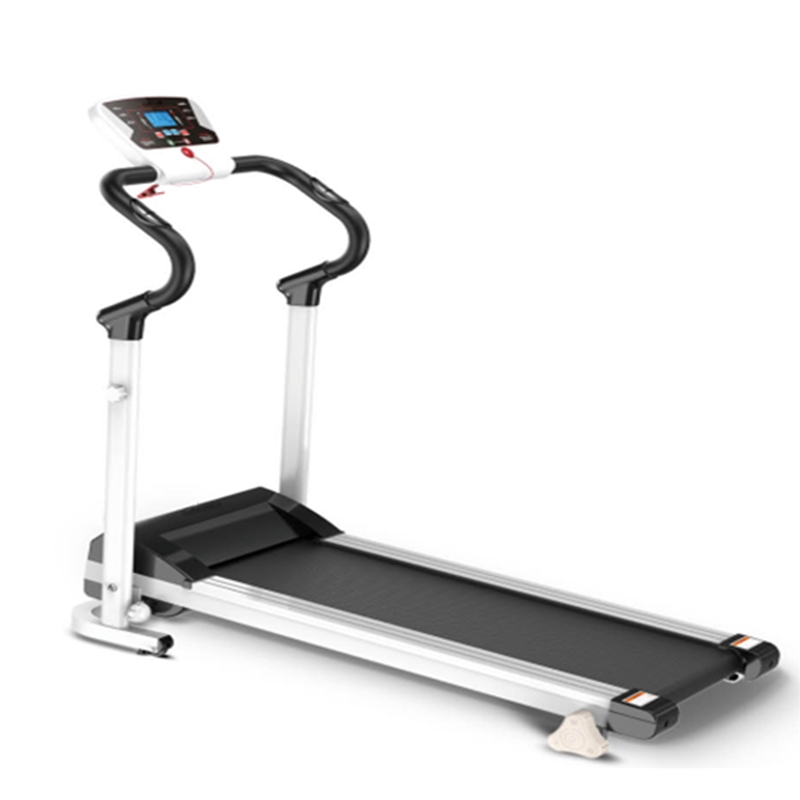
For first-party product context, see LDK Sports Equipment’s compact treadmill page and verify current specifications on the live page. (LDK compact treadmill)
The legacy article also contains flat and commercial treadmill product links. They can remain as restrained first-party context after the history explanation, but current product facts must be checked separately before publication. No product should be described as universally best without a current, comparable specification set.
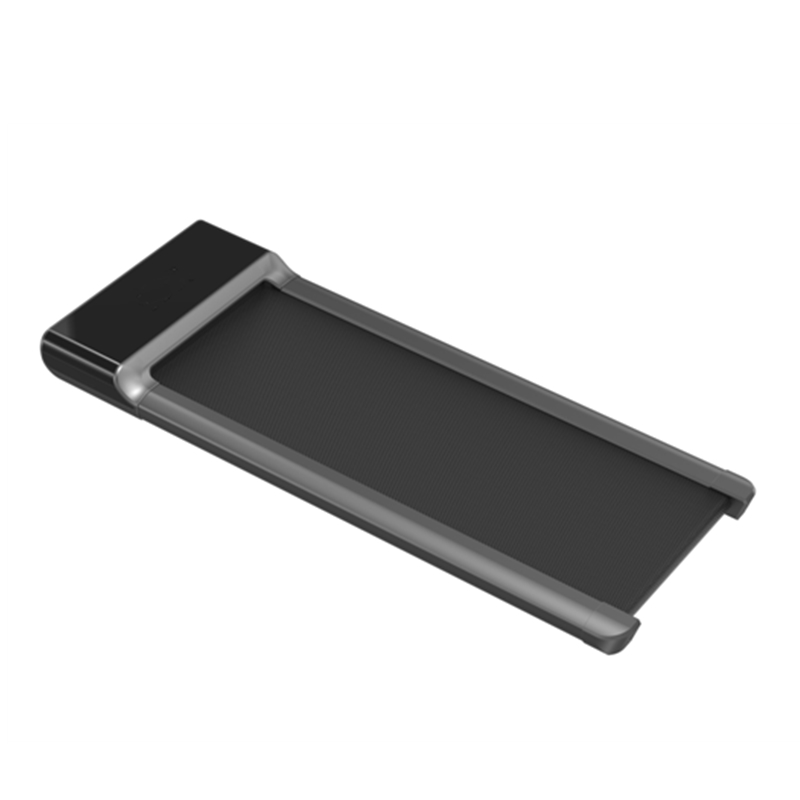
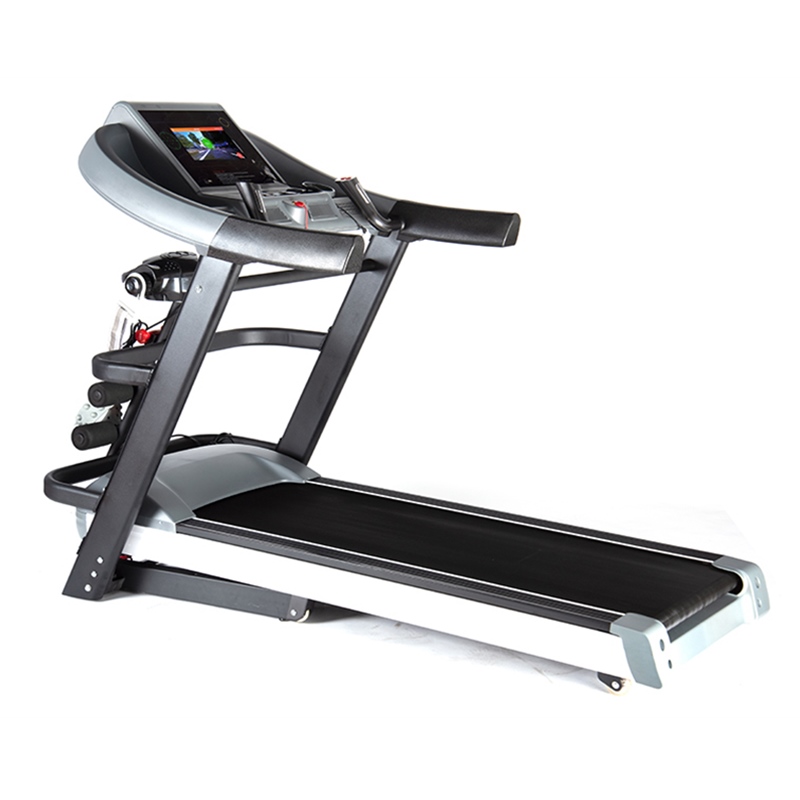
LDK Sports Equipment’s flat and commercial treadmill pages provide first-party product context; compare the current published details with your intended use. (LDK flat treadmill; LDK luxury commercial treadmill)
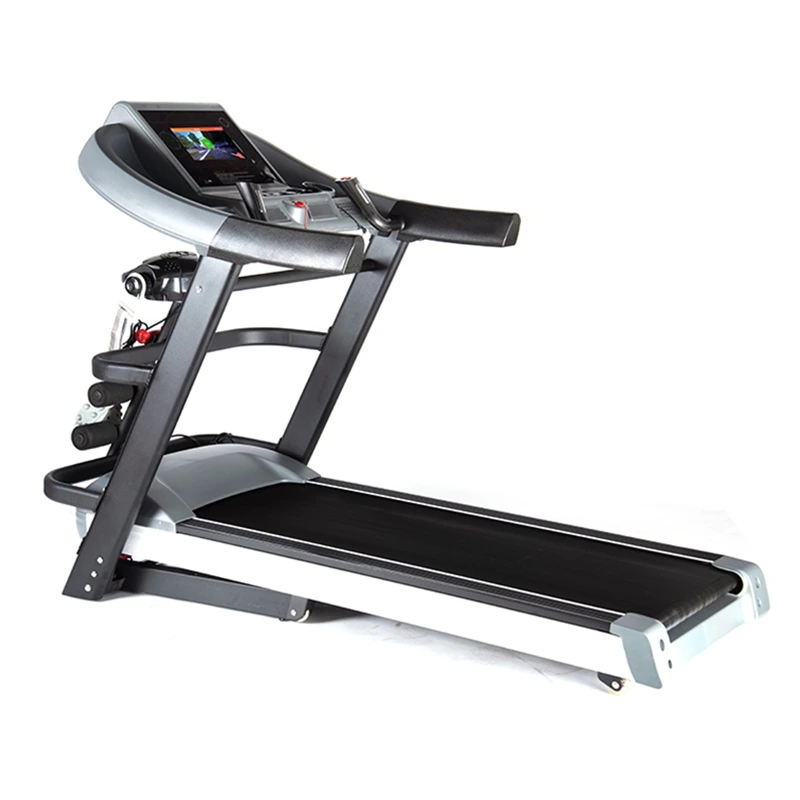
1818 is a key documented milestone for the Cubitt-associated penal treadmill, not a complete answer for every earlier treadwheel or later medical treadmill.
See the short answer and William Cubitt sections for the date distinction and source boundary.
The answer depends on the machine: William Cubitt is associated with the 1818 penal-treadmill milestone, while the medical treadmill has a separate development history involving Robert Bruce and Wayne Quinton.
See How did the treadmill become a medical and fitness machine? for the two-stage timeline.
The penal treadmill was connected with prison labor and punishment, whereas modern treadmills are used for walking, jogging, running and some medical testing.
See William Cubitt and the 1818 prison treadmill for the historical context.
They share a broad stepping or moving-belt idea, but their purpose, design context and historical use are different.
See Before 1818 for the mechanism distinction and How did the treadmill become a medical and fitness machine? for later uses.
It passed through distinct technological and institutional stages, including older treadwheel mechanisms, the penal treadmill, medical development and later consumer fitness adoption.
See the four-row milestone table above for the sequence.
The documented Victorian penal treadmill was used as prison labor and punishment; that historical fact should not be used to describe every later exercise treadmill.
See William Cubitt and the 1818 prison treadmill for the qualified historical explanation.
Symptom: one page says 1818 and another says 1952.
Cause: the pages are using different meanings of “treadmill.”
Verify: check whether the source is discussing a penal treadwheel, medical testing or consumer fitness.
Fix: use the two-milestone answer: 1818 for the key penal-treadmill milestone and 1952 for the documented medical-development context.
So, when was the treadmill invented? For the penal treadmill most often mentioned in historical accounts, 1818 is the key documented Cubitt milestone. For the machine that became medical and fitness equipment, the answer is a later, multi-stage development rather than one single invention date. Keeping those meanings separate makes the history more accurate and makes modern treadmill advice easier to understand.
For current product information, contact LDK Sports Equipment through its inquiry page. (contact LDK Sports Equipment)