Sports Equipment Manufacturer

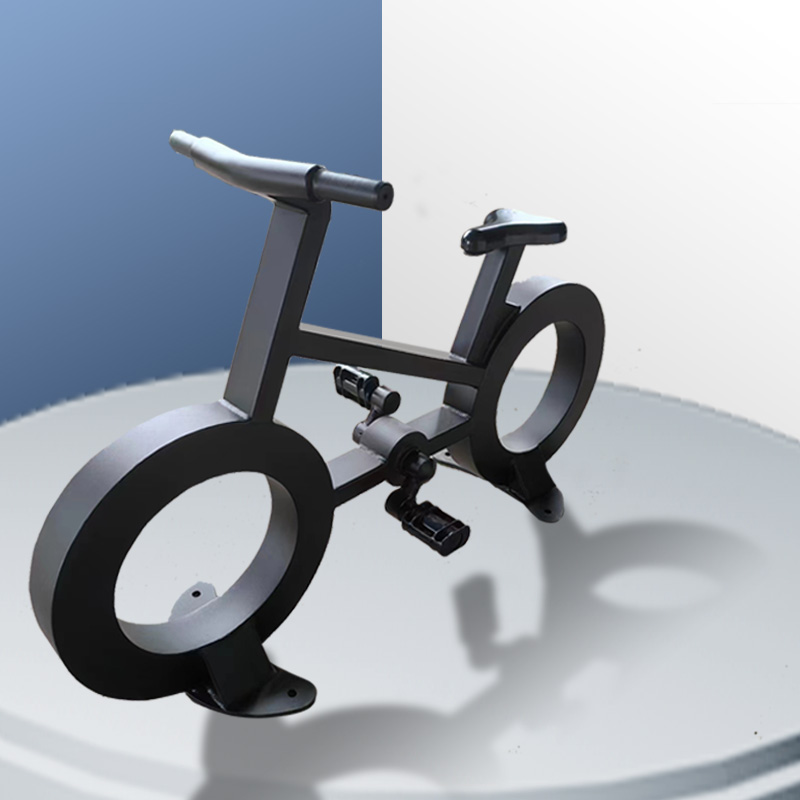
Is a spinning bike bad for knees? Discover how proper saddle height, cadence, and biomechanics support joint comfort and reduce knee strain in this guide.
A spinning bike is generally not bad for your knees; in fact, indoor cycling is frequently highlighted as a practical, low-impact conditioning exercise that strengthens supporting leg muscles and supports synovial-fluid movement. However, knee pain during or after spinning is common when riders use an incorrect bike setup, pedal with excessive resistance at slow cadences, or maintain poor riding form. Understanding the biomechanics of indoor cycling allows you to minimize avoidable joint strain and ride comfortably.
When equipment is fitted appropriately, a stationary spinning bike is not inherently bad for your knees. Unlike running, jogging, or jumping, cycling does not subject the lower extremities to repeated ground impact forces. When running or jumping, the lower extremities experience substantial repetitive ground impact forces with every landing. In contrast, cycling is a closed kinetic chain activity where your feet remain fixed against the pedals through a smooth, circular revolution.
When properly configured, indoor cycling provides controlled, circular motion that promotes gentle joint movement and fluid circulation – the natural lubricant within the knee capsule – without subjecting articular cartilage to shock loads. Educational resources from Harvard Health Publishing highlight that cycling is one of the most joint-friendly aerobic exercises for individuals seeking to protect their knees or maintain mobility during joint recovery.
| Cycling Factor | Knee-Protective Condition | Knee-Damaging Risk Factor |
|---|---|---|
| Joint Kinetic Chain | Smooth, circular closed kinetic chain | Jerky, stomping pedal strokes |
| Impact Force | Very low ground reaction impact | N/A (non-impact sport) |
| Saddle Height | Slight bend (approx. 25-35 deg flexion) at bottom | Saddle excessively low (deep knee bend) or excessively high (leg fully straightened) |
| Fore/Aft Position | Knee directly over pedal spindle (KOPS) | Saddle too far forward overloading patella |
| Pedaling Cadence | Smooth turnover (baseline approx. 80-100 RPM as tolerated) | Grinding heavy resistance below 60 RPM |
| Muscle Engagement | Balanced quadriceps, hamstrings, and glutes | Heavy quadriceps focus with minimal posterior chain engagement |
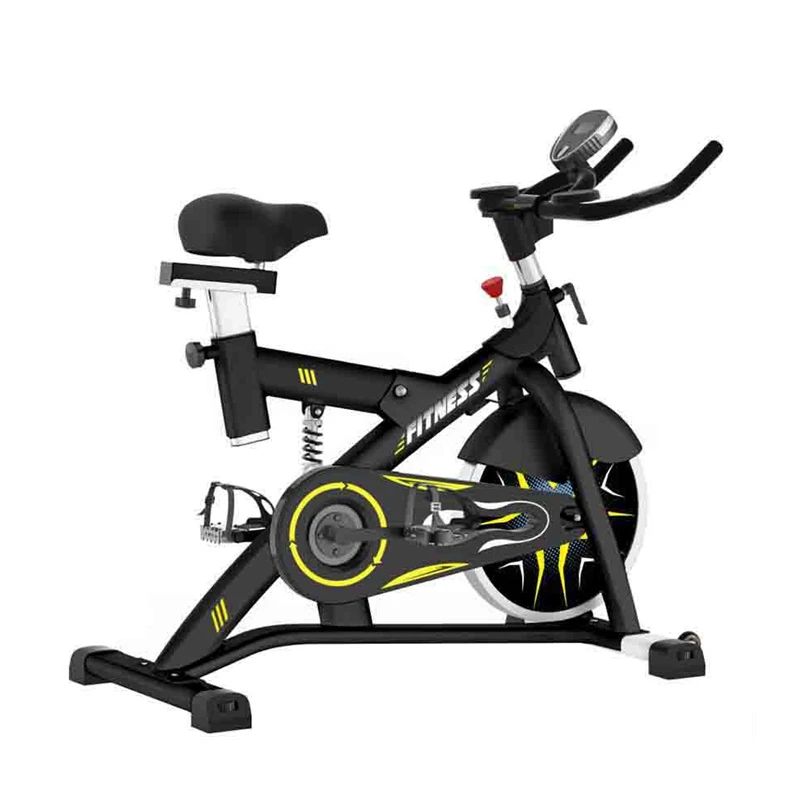
However, because cycling involves continuous repetitive pedal revolutions during an indoor workout session, even minor ergonomic misalignments can lead to cumulative micro-trauma. When saddle height is inappropriately adjusted, repetitive pedaling can increase compressive forces across the patellofemoral joint, potentially contributing to anterior knee irritation over time.
Not all cycling knee pain is identical. In sports medicine, knee discomfort from indoor cycling is often categorized by anatomical location. While a definitive medical diagnosis requires clinical examination by a physician or physical therapist, identifying where your knee feels discomfort provides helpful clues to evaluate equipment fit and pedaling form.
Ergonomic Advisory: The anatomical patterns above represent practical bike-fitting heuristics rather than medical diagnoses, synthesized from clinical exercise insights (Cleveland Clinic; American Council on Exercise). Knee symptoms can involve underlying musculoskeletal conditions or previous injuries. If pain is sharp, accompanied by swelling, or persistent, stop exercise and seek evaluation from a qualified physician or physical therapist.
| Pain Location | Associated Area / Potential Irritation | Possible Ergonomic Contributor | Suggested Starting Adjustment |
|---|---|---|---|
| Front of the Knee (Anterior) | Patellofemoral irritation or anterior knee discomfort | Saddle too low or positioned too far forward | Raise saddle height; slide saddle backward |
| Back of the Knee (Posterior) | Hamstring tendon or posterior capsule strain | Saddle too high or positioned too far backward | Lower saddle height; check for hip rocking |
| Inside of the Knee (Medial) | Medial joint line or pes anserine tenderness | Cleats rotated outward; feet set too wide | Align cleats to neutral; check pedal stance width |
| Outside of the Knee (Lateral) | Lateral tendon or iliotibial band tightness | Cleats rotated inward; saddle too high | Rotate cleats slightly outward; lower saddle |
Anterior pain occurs directly over, around, or beneath the kneecap (patella). This is frequently cited by participants as a common source of knee discomfort. According to sports medicine insights from the Cleveland Clinic, anterior knee pain is frequently associated with excessive knee flexion during the top and middle phases of the pedal stroke. When the saddle is set too low or too far forward, the knee bends past 90 degrees at the top of the stroke, which can increase patellofemoral compressive contact pressure against the femoral groove (trochlea). Pushing heavy resistance from this deeply bent position can increase compressive stress across the patellofemoral joint and patellar tendon.
Discomfort located behind the knee in the popliteal area or along the upper hamstring tendons may be associated with slight over-extension. If your saddle is positioned too high, your leg must fully straighten at bottom dead center, forcing the hamstring muscles and joint capsule to stretch taut to complete the pedal circle. Over prolonged sessions, excessive extension can place repetitive tension across posterior tendons. If you notice your hips rocking side to side on the saddle to reach the pedals, your seat is likely positioned too high and should be lowered.
Discomfort along the inner (medial) or outer (lateral) margins of the knee joint may correlate with foot rotation or cleat orientation. Because the foot is anchored to the pedal via toe cages or clip-in cleats, any restriction of natural rotational float forces the knee joint – which is primarily a hinge joint – to absorb torsional torque. Cleats positioned with extreme inward or outward angles force the knee to track crookedly, irritating either the medial pes anserinus tendons or the lateral iliotibial band.
Achieving an anatomically correct bike fit is the widely recommended foundational approach to help reduce avoidable knee strain on an indoor cycling bike. The American Council on Exercise (ACE) outlines standardized bike fitting protocols designed to protect joint structures while maximizing pedaling efficiency. Follow this step-by-step setup procedure before every session.
Saddle height dictates the angle of knee extension. A commonly referenced benchmark in bike fitting literature is the Holmes method, which suggests an approximate knee flexion angle between 25 and 35 degrees when the pedal reaches bottom dead center (the 6 o’clock position) as a practical baseline.
To achieve this without complex goniometer tools:
The horizontal positioning of your saddle influences how joint loading is distributed. While the Knee Over Pedal Spindle (KOPS) method is widely used as an initial fitting guideline, systematic reviews note that individual anatomy and pelvic angle can vary, so it should be treated as a helpful baseline rather than a rigid universal rule:
While handlebars primarily affect the spine, neck, and shoulders, improper handlebar height indirectly compromises knee tracking. When handlebars are placed too low, the rider is forced into an aggressive forward pelvic tilt. This tightens the hip flexors and pulls the pelvis out of neutral alignment, which may influence pelvic alignment and subtly affect lower-leg tracking during the pedal stroke.
For fitness and recreational riders, set the handlebars level with the saddle or slightly elevated according to individual comfort and flexibility, promoting a neutral spine and relaxed pelvic position.
Proper bike geometry must be paired with sound riding mechanics. Many riders suffer knee irritation not because of their equipment, but because of how they apply resistance and pedal cadence.
In a systematic review evaluating extrinsic factors and knee biomechanics published in the National Institutes of Health (PMC) – The Influence of Extrinsic Factors on Knee Biomechanics During Cycling: A Systematic Review of the Literature (Johnston et al., 2017), researchers analyzed how workload and cadence relate to joint kinetics. The literature suggests that pedaling at lower cadences against heavy resistance tends to increase knee extensor demand and patellofemoral compressive moments compared to moderate turnover rates. Crucially, Johnston and colleagues emphasized that current clinical evidence does not establish a direct causal link between specific bike settings and overuse injury risk, noting that individual kinematics vary widely. Cadence ranges (such as aiming for a comfortable, moderate turnover) should therefore be viewed as practical biomechanical tendencies rather than definitive clinical rules.
When pedaling against heavy resistance at very slow cadences, each stroke demands greater muscular effort from the quadriceps, which can elevate joint moments across the patellofemoral area. Conversely, pedaling smoothly at moderate, comfortable cadences under sustainable resistance provides an effective cardiovascular stimulus while moderating peak joint forces.
| Cadence Range | Mechanical Profile | Patellofemoral Joint Impact | Primary Energy System |
|---|---|---|---|
| < 60 RPM (Low Cadence / High Resistance) | High resistance torque, high pedal force | Higher patellofemoral compressive force tendencies | Elevated muscular torque demand |
| 60 to 75 RPM (Heavy Climb) | Moderate-high torque, steady rhythm | Moderate stress; acceptable for trained riders | Mixed aerobic / strength demand |
| 80 to 100 RPM (Fluid Cadence Range) | Fluid momentum, low-to-moderate torque | Lower compressive stress; generally well-tolerated joint loading | Aerobic cardiovascular focus |
| > 110 RPM (Over-Spinning) | Low resistance, rapid turnover | Risk of hip bouncing and uncontrolled stroke | Rapid turnover demand |
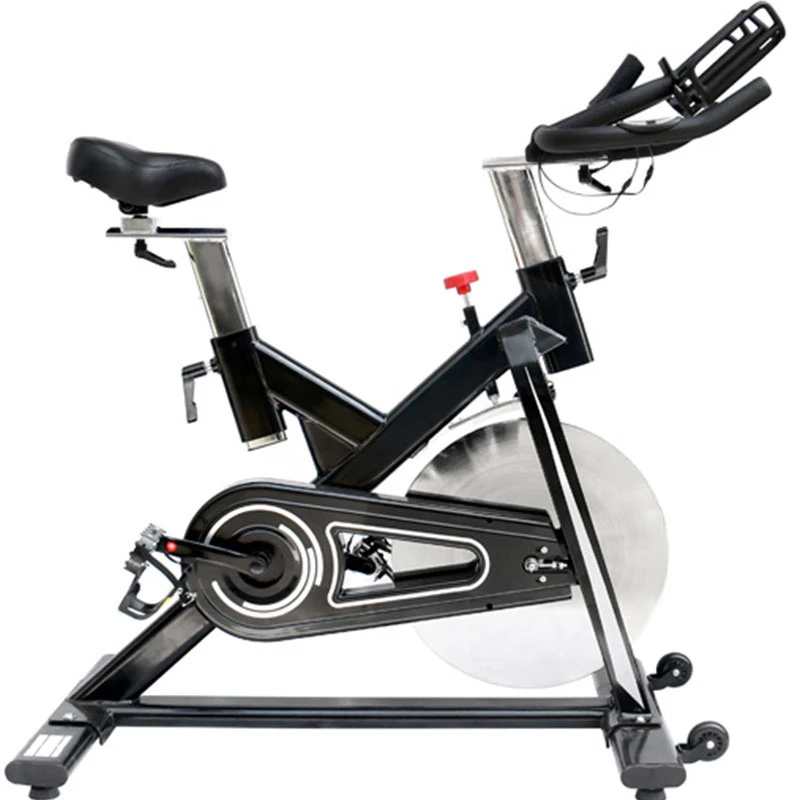
Standing up during spin class changes your body weight distribution. In accordance with indoor cycling biomechanics guidance from American Council on Exercise (ACE) and cycling kinematic reviews (Johnston et al., PMC5717478), standing out of the saddle alters knee joint loading moments, making sound technique essential:
If you currently have sensitive knees, arthritis, or a history of knee injuries, choosing the right cardiovascular exercise machine is crucial. Indoor cycling stands out among fitness equipment for its unique combination of joint safety and metabolic conditioning.
| Exercise Machine | Joint Impact Level | Weight-Bearing Profile | Knee Joint Flexion Range | Suitability for Sensitive Knees |
|---|---|---|---|---|
| Stationary Spinning Bike | Low / Non-Impact | Partially weight-supported (body weight distributed across saddle and handlebars) | Smooth cyclical flexion throughout the pedal stroke | Favorable low-impact option when properly fitted; gradual progression recommended |
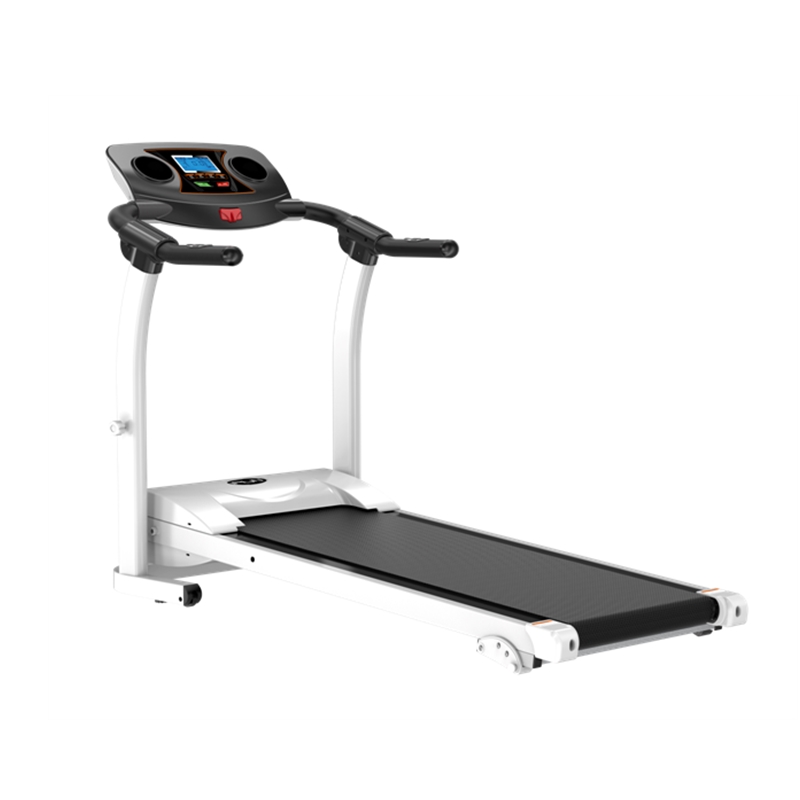
| Motorized Treadmill | High Impact | Full weight-bearing with repetitive ground impact forces | Moderate cyclical flexion during stance and swing | Higher ground reaction impact; may require caution for sensitive joints |
| Elliptical Trainer | Low / Non-Impact | Full weight-bearing (gliding footplates) | Moderate (continuous gliding motion) | Very Good (no impact, but standing posture required) |
| Rowing Machine | Non-Impact | Seated non-weight-bearing | Deep knee flexion during the catch phase | Moderate (deep flexion can aggravate patellar issues) |
As demonstrated in the comparison matrix, the spinning bike is widely recommended for low-impact conditioning because it supports the user’s upper body mass on the saddle while providing a smooth, non-impact kinetic loop. Unlike a treadmill, there is no jarring ground shock wave transmitted up the tibia. Unlike exercises involving deep knee bends such as deep squats or rowing catches, properly configured cycling maintains a moderate arc of motion that generally limits excessive patellofemoral compression.
Clinical and health organizations, including the Mayo Clinic and the Arthritis Foundation, highlight stationary cycling as a constructive low-impact exercise option for individuals managing chronic knee osteoarthritis or seeking joint-friendly conditioning. However, as the Arthritis Foundation cautions, upright stationary cycling can still irritate knee structures if resistance is set too high or if symptoms are acute; training progression should remain gradual and guided by a physician or physical therapist.
Cycling promotes joint health through two primary physiological mechanisms:
Many regular indoor cyclists use dedicated cycling shoes with clip-in cleats (such as SPD or Look Delta systems). While cleats enhance pedaling efficiency, rigidly locking your foot in place can strain your knees if the cleats are improperly aligned.
Front knee discomfort is frequently associated with a saddle that is set too low or positioned too far forward. In this setup, your knee flexes past 90 degrees under load, creating intense compressive force on the patellofemoral joint. Pushing heavy resistance at low cadences further amplifies this strain. Raise your saddle so you maintain a 25 to 30 degree bend at the bottom of the stroke.
Whether riding daily with mild knee discomfort is appropriate depends on whether the sensation is mild morning stiffness or active joint pain. For individuals with chronic osteoarthritis, light, low-resistance spinning can sometimes ease stiffness by encouraging joint fluid circulation. However, daily riding is not recommended if discomfort is persistent, worsens during exercise, or is accompanied by swelling or sharp pain. Undiagnosed or persistent knee symptoms warrant temporary rest and a clinical assessment by a physical therapist or orthopedic doctor before resuming daily workouts.
When performed under appropriate resistance and with a properly fitted bike, indoor cycling is widely recognized in exercise and rehabilitation literature as a joint-friendly exercise that helps maintain mobility and strengthen surrounding musculature without high impact. However, riding with an inappropriately low saddle or pushing excessive resistance at very low cadences can increase joint stress and exacerbate knee discomfort. Keeping resistance light to moderate and cadence fluid (such as 70 to 90 RPM as tolerated) helps support joint comfort.
If your knees feel sensitive, stay seated. Standing climbs place higher mechanical demands across the lower extremities and require core stabilization to prevent hips from shifting forward. Remain seated, adjust resistance to a comfortable level, and spin smoothly.
If your seat is too low, your knees will feel excessive pressure in the front, and your quadriceps will fatigue rapidly. If your seat is too high, you will feel pulling or tightness behind your knees (in the hamstring tendons), and you may notice your hips rocking from side to side across the saddle to reach the bottom of the pedal stroke.
Many riders find that clip-in cycling shoes paired with pedals that offer angular rotational float provide comfortable foot alignment, while flat pedals with supportive athletic shoes also work well provided foot position remains natural. Clip-in shoes provide a stiff sole that distributes pressure evenly across the foot, preventing foot collapse and promoting uniform circular pedaling. Soft-soled sneakers in toe cages can bend over the pedal, causing uneven torque through the ankle and knee.
Both provide non-impact cardiovascular benefits. However, a spinning bike offers a more controlled environment where you do not have to contend with sudden road obstacles, steep surprise inclines, or emergency stops. On the other hand, outdoor bicycles naturally lean slightly beneath you, whereas indoor spin bikes have a rigid frame, making accurate saddle and cleat alignment even more vital.
When configured with proper ergonomic geometry, a spinning bike serves as an effective, joint-friendly conditioning tool. It provides cardiovascular benefits and lower-body muscular endurance while minimizing ground reaction impact.
Knee pain is not an unavoidable consequence of indoor cycling; it may indicate an ergonomic issue or excessive resistance rather than an inherent flaw of the activity. However, because knee discomfort can also stem from pre-existing joint pathology or acute musculoskeletal injury, persistent symptoms warrant clinical evaluation. Before beginning your next workout, verify your setup against these core ergonomic principles: