

Sports Equipment Manufacturer


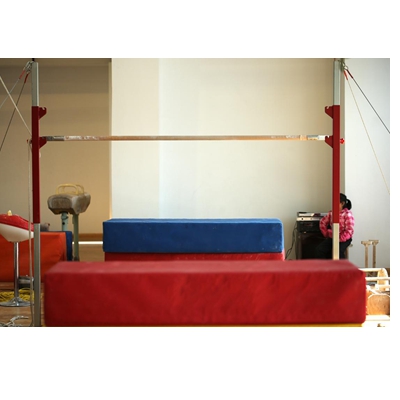
Gymnastics balance can be divided into the following three categories:
1. Prone balance: standing on one leg, upper body leaning forward to horizontal position, the other leg raised to the limit, and both arms raised to the side at the same time.
2. Side balance: standing on one leg, upper body leaning sideways to horizontal position, the other leg raised to the side, the arm on the same side of the raised leg raised at the same time, and the other arm behind the back.
3. Supine balance: standing on one leg, upper body leaning back to horizontal position, the other leg raised forward, and both arms raised to the side at the same time.
The above gymnastics balance movements require specific skills and a lot of practice to master, and must be performed under the guidance of professionals.
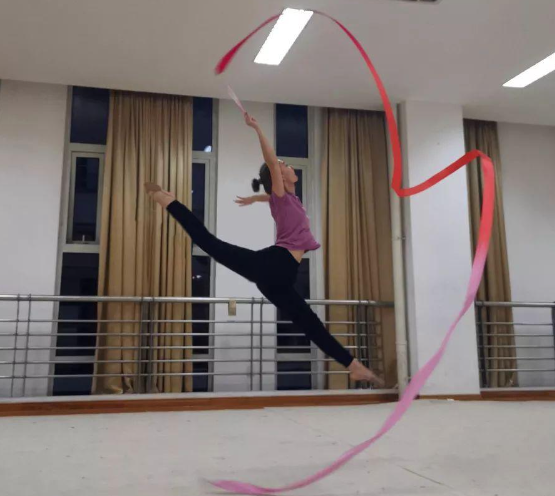
The standard length of Gymnastics ribbon is 6 meters long, 4 to 6 centimeters wide, and weighs more than 35 grams (no upper limit). It can be made of satin or similar materials and consists of sticks, nylon ropes or belts.
Connecting sticks for ribbons:
can be made of wood, bamboo, plastic or fiberglass; the stick is 50 to 60 centimeters long and no more than 1 centimeter in diameter, with a metal ring at one end, connected to the rope or belt.
Ribbon gymnastics movements:
The competition consists of circling, spiral, throwing and catching, swinging, jumping, balancing, turning, 8-shaped and snake-shaped movements.
First of all, rhythmic Gymnastics can improve physical fitness and health, enhance muscle strength and flexibility, and greatly help our physical development and physical health.
Secondly, rhythmic gymnastics can cultivate our coordination and balance ability, and through the training of various movements, it can improve the body's control and reaction ability.
In addition, rhythmic gymnastics can also cultivate our willpower and perseverance. Through continuous training and challenges, it can cultivate our perseverance and have a positive impact on difficulties in daily life and study.
In short, rhythmic gymnastics is a comprehensive way of physical exercise for us, which can provide many benefits and has a positive impact on us in many aspects.
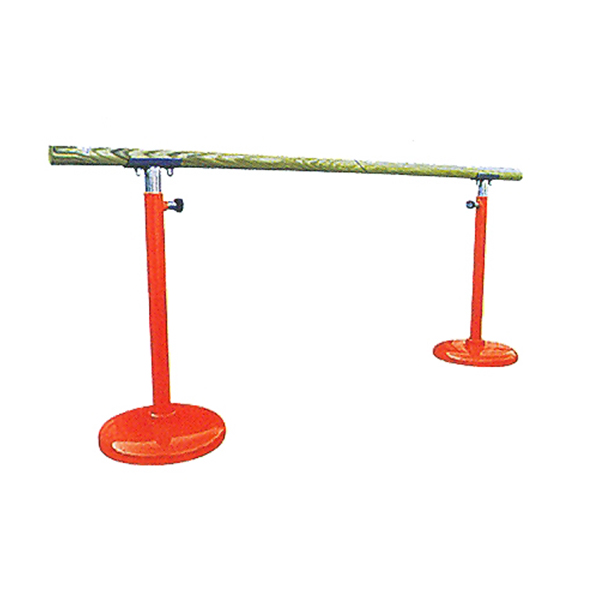
At this time, children can practice Gymnastics, let them practice walking, running, jumping, leg stretching, and kicking to improve body flexibility.
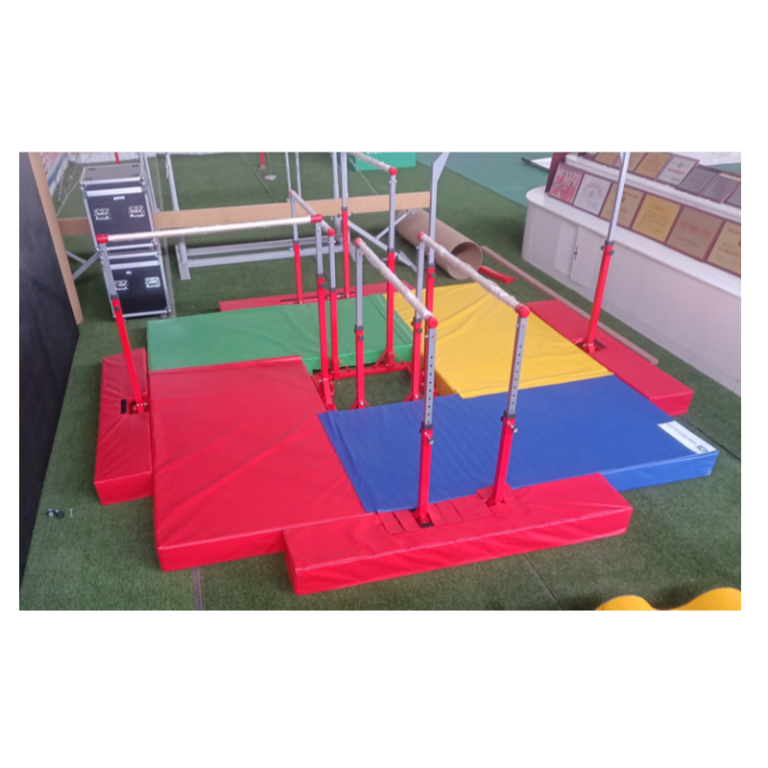
Practice forward rolls, backward rolls, hanging, single-leg hopping, switching jumps, etc., and start to contact gymnastics equipment such as horizontal bars and parallel bars.
Start special training, practice some simple movements, such as floor gymnastics tumbling training, and complete some coherent movements.
After professional training, you can participate in provincial competitions.
At this time, children can participate in national competitions.
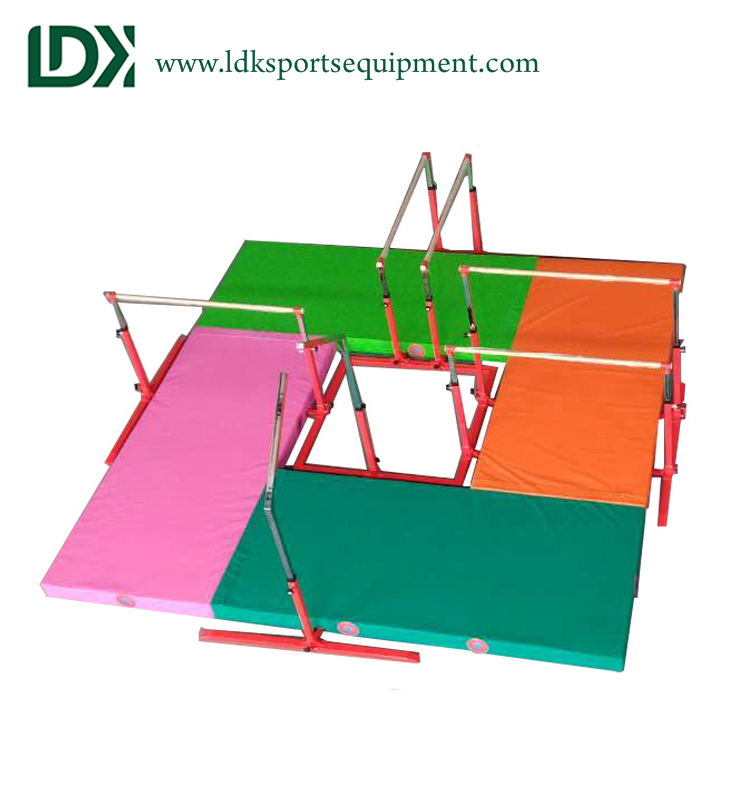
Gymnastics was invented in ancient Greece and originated in the 8th century BC. The ancient Greeks developed a complex body training system by imitating the movements and combat techniques of animals, which was used to enhance military and competitive abilities. Gymnastics was originally used as a military training method and gradually evolved into a competitive sport. The Olympic Games in ancient Greece were an important stage for gymnastics, and gymnastics became one of the traditional events of the Olympics. Over time, gymnastics has gradually developed into a comprehensive sport, including multiple events such as floor exercise, instrument exercise, and artistic gymnastics. Modern gymnastics is widely popularized and developed globally, becoming a popular competitive sport.
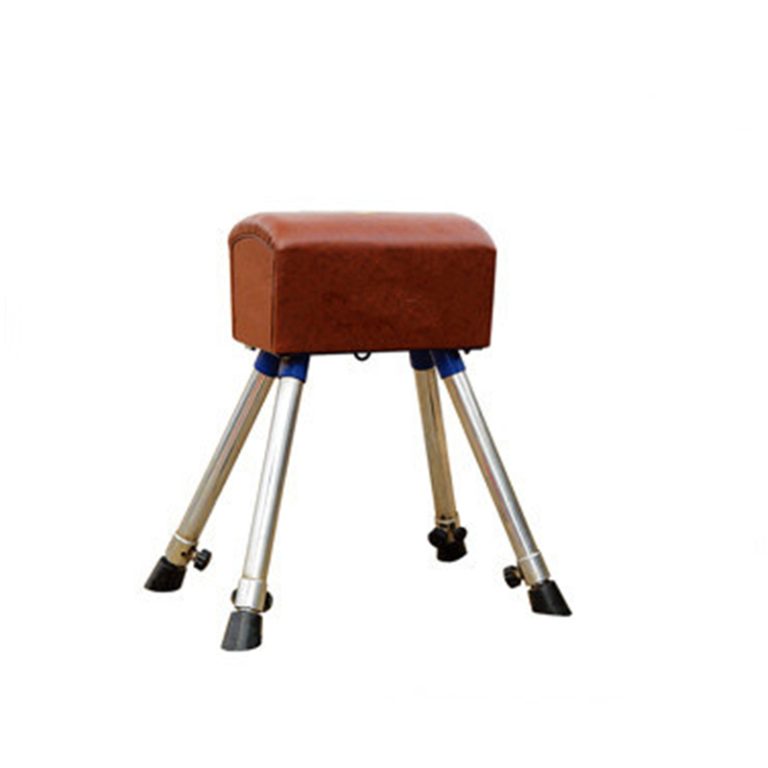
In a broad sense, gymnastics is a collective term for all gymnastics events, including Olympic events such as competitive gymnastics, artistic gymnastics, trampoline, as well as non Olympic events such as aerobics, cheerleading, and acrobatics. In recent years, new projects such as street dance and parkour have been added.
In a narrow sense, gymnastics generally refers to competitive gymnastics. Men's competitive gymnastics includes floor exercises, Pommeled Horse, rings, vault, parallel bars and horizontal bars; Women's gymnastics events include vault, uneven bars, balance beam, and floor exercise.
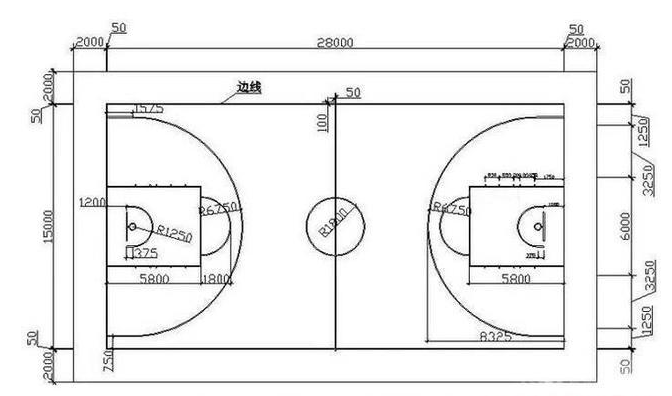
Compare NBA, NCAA, FIBA, and high-school basketball court lengths in feet and meters, and see how the playing area differs from the gym floor.
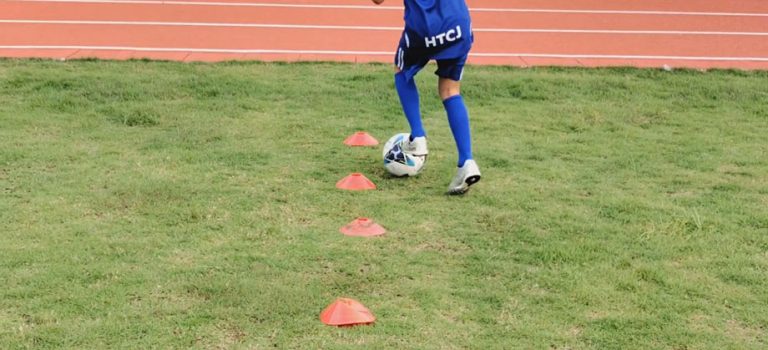
There are still many things to practice when practicing football by yourself.
The first is to practice getting familiar with the nature of the ball. Push and pull the ball, push and flick the ball, jump and step on the ball, etc. The best practice to get familiar with the nature of the ball is to juggle the ball;
The second is to kick the ball against the wall with the inside of the foot, kick the inside of the instep accurately, shoot, etc.;
The third is to dribble, straight line, folded line, around the pole, etc.
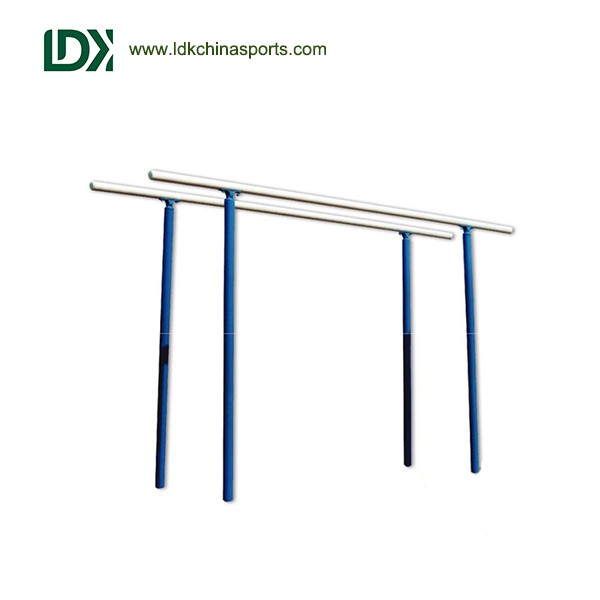
The most common way to play the parallel bars is to swing with bent arms: place your hands on the horizontal bars on both sides, swing your body back and forth in the air, bend your arms when your legs swing back to the highest point, and then swing your legs forward from the back. With the help of inertia, your arms gradually straighten. When your legs swing to the highest point in front, your arms are already straight, and then your legs swing back naturally to enter the next round of action.
This game has high requirements for body coordination. At the same time, it also has a good training effect on the arm muscles and chest muscles. Students who play well can do dozens of bent arm swings in a row. When I first played this game, I didn't master its tricks. I couldn't keep my balance when swinging my body, and often fell off the parallel bars without doing a single swing. With the accumulation of experience, my skills became more and more proficient, and I was finally able to do several bent arm swings on the parallel bars in a row, and my arm muscles and chest muscles also became significantly stronger.
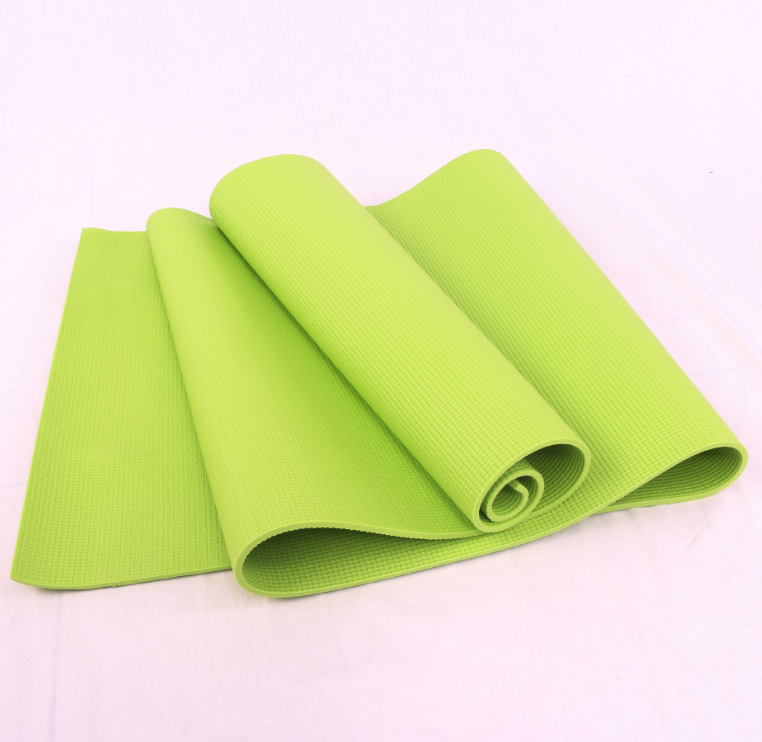
Fitness Mats and yoga mats are both mats used in physical exercise, but they have some differences in materials, thickness, appearance, etc.
1. Material: Fitness mats and yoga mats have different selections of materials. Fitness mats usually use thicker foam materials, which can provide better cushioning. Yoga mats usually use natural rubber or vinyl acetate materials, which can provide better grip.
2. Thickness: Fitness mats are usually thicker than yoga mats because they need to provide better cushioning to reduce the load on joints during exercise. Yoga mats are usually thinner so that you can feel the ground better when practicing yoga postures.
3. Appearance: Fitness mats are usually larger than yoga mats and have some marking lines to help users maintain the correct body posture. Yoga mats are usually smaller and do not have so many markings and lines to maintain a simple appearance.